If you’ve ever found yourself mid-brake upgrade, staring at shiny new Tech brake discs in one hand and your existing calipers in the other, you’ve probably asked the same question: Do I really need to swap out my calipers to go with Tech’s premium brake discs? As a supplier of Tech brake discs, I’ve spent thousands of hours talking to DIY mechanics, indie shop owners, and fleet managers about this exact dilemma—and I get it. No one wants to waste money replacing parts that look fine, but skipping a critical check on calipers can turn a simple disc install into a safety hazard. Let’s break this down, plain and simple, no jargon, no sales fluff, just what works for your ride. Brake Discs By Tech
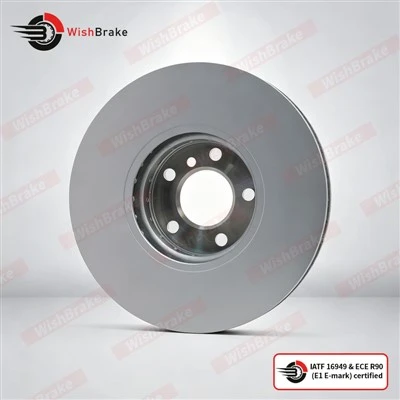
First, let’s start with the basics. Your brake system is a team, not a collection of separate parts. Tech’s brake discs are engineered to exact tolerances—we test every single one to make sure they’re flat within 0.0005 inches, which is tighter than most OE standards. That precision only matters if the rest of the system aligns with it. Calipers do two main jobs: they hold the brake pads, and they push those pads evenly against the disc when you hit the brake. If your calipers aren’t working right, even the best disc will warp, wear unevenly, or fail to stop your car when you need it.
So when would you need to replace calipers, and when can you keep the ones you have? Let’s start with the signs that mean a caliper swap isn’t optional. If your existing calipers are leaking brake fluid—even a small drip—they’ve got a blown seal. Brake fluid is hygroscopic, meaning it absorbs water over time, but a leak means the seal is compromised, and air is getting into the lines. That air makes your brake pedal spongy, and when you press down, the caliper might only push one pad, not both. Tech’s discs are designed for even clamping, so a lopsided force from a bad caliper will make your new disc wear through the friction surface in six months instead of six years. We’ve seen this a dozen times: a customer saves $50 on calipers, but has to replace their Tech disc twice as fast. That’s a false economy, plain and simple.
Next, if your calipers are stuck or seized. Seized calipers happen when the slide pins (the bolts that let the caliper move back and forth) get corroded or dirty. If your vehicle pulls to one side when braking, or your brake discs have a thick, uneven wear pattern (one side is much thinner than the other), that’s a seized caliper. A seized caliper won’t retract the pad fully, so the disc spins with constant pressure, heating up and warping quickly. Tech’s discs use high-carbon, cast iron that resists warping, but even that can’t handle constant friction from a stuck caliper. We recommend replacing seized calipers, not rebuilding them, because aftermarket rebuild kits often don’t match the precision of OE or Tech components. Rebuilding might save you a few bucks, but it’s temporary—and if the caliper seizes again, you’re right back where you started, with a ruined disc.
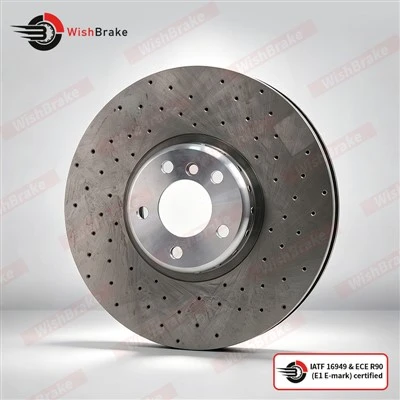
Then there’s size and fit. Wait, you might be thinking, my existing calipers bolt right on, so why would size matter? Tech makes two main types of discs: OE replacement discs for stock caliper setups, and performance discs (cross-drilled, slotted, or two-piece) for drivers upgrading their braking power. If you’re going for the performance discs, you might need bigger calipers or adapter brackets—but that’s not a universal rule. A lot of our customers with 2018–2023 trucks, for example, can fit Tech’s performance slotted discs on their stock calipers without issues. But if your vehicle is a classic car or a heavy-duty fleet truck, the stock caliper’s piston size might not match the Tech disc’s surface area. Too small a piston means you’ll have a soft brake pedal, and too big means you’ll overheat the disc during hard stops. Our tech team always checks vehicle-specific specs, but if you’re not sure, that’s one call you should make before ordering.
Now, the good news: most of the time, you don’t need to replace calipers when installing Tech brake discs. For everyday drivers who are just replacing worn stock discs, your existing calipers will work fine—as long as you give them a quick check before you start. I tell customers to do three simple things first: clean the slide pins, lubricate them with high-temperature brake grease (never regular grease—regular grease breaks down under heat), and make sure the caliper moves freely. If the pins slide easily, no leaks, no pulling, you’re good to go. We also recommend replacing brake pads at the same time as discs, by the way—old pads have a broken-in friction surface, and pairing them with a new Tech disc will lead to uneven wear. It’s a small extra cost that saves you from redoing the job 10,000 miles down the road.
Let me share a real example that stuck with me. Last year, a customer came in with a 2019 Honda Civic. He’d bought Tech’s OE replacement discs, but decided to skip checking his calipers to save time. A week after installation, he called us panicking—his new disc was warping, and the brake pedal vibrated when he stopped. When he brought the car in, we found his front right caliper had a seized slide pin. The caliper was only pushing one pad, so the new disc wore lopsided, causing the warp. We replaced the caliper, cleaned the other, and he’s been running Tech discs for 18 months with zero issues. He later told us he would’ve been out $300 for a new disc if he’d skipped the caliper check. That’s exactly why we push this point: it’s not about upselling, it’s about making your Tech purchase last.
Another thing to consider: brake hardware kits. Most people forget that when you swap discs, the hardware (the clips, shims, and bushings that hold the pads and caliper in place) wears out too. Tech doesn’t sell hardware kits, but we always recommend our customers buy a high-quality kit at the same time as their discs. Worn hardware causes pad vibration, which translates to disc wear, even if your calipers are good. It’s a $15–$20 add-on that takes 10 minutes to install, and it keeps your new discs performing as they should.
What about if you’re doing a performance upgrade, like track days or heavy towing? For those drivers, the answer can change. Tech’s performance discs are built for higher heat, so if you’re pushing your car harder, your stock calipers might not handle the extra clamping force. We worked with a local racer last year who was using OE calipers with Tech’s cross-drilled discs for his autocross setup. He kept blowing through discs every three races, until he upgraded to big-bore calipers. The bigger calipers clamped evenly across the larger disc surface, and his disc life doubled. That’s a case where calipers do need to be replaced—but only if you’re going beyond daily driving. For most street drivers, stock calipers are fine.
Now, let’s clear up a common myth: “All calipers have to match the brand of my discs.” That’s not true. We don’t require you to use Tech calipers to get the best performance from our discs. Our discs are designed to work with OE-caliber calipers, as long as those calipers are in good working order. The only brand-specific part is the disc’s fitment—we engineer each Tech disc to fit your vehicle’s hub and caliper mounting points, so you don’t have to modify anything for a stock swap.
So, putting it all together: Do you need to replace calipers when installing Tech brake discs? The short answer is: not usually. But you do need to inspect them. If your calipers are leaking, seized, or pulling your car to one side when braking, replace them. If they’re clean, free of leaks, and slide smoothly, you can keep them—just clean the slide pins and replace your pads and hardware.
I’ve been in the brake business for 12 years, and the number one mistake people make when upgrading discs is skipping that pre-install check. It’s not about being difficult; it’s about making sure your investment in Tech’s premium components pays off. A set of Tech brake discs lasts 50,000 to 70,000 miles for daily drivers, but only if the rest of your brake system is up to par.
If you’re unsure about your calipers, or you’re ready to order Tech brake discs, don’t guess. Reach out to our team, and we’ll help you walk through the inspection process. We’re here to make sure your brake upgrade goes smoothly, no wasted money, no safety risks. We don’t just sell parts—we work with you to make your ride stop safely, every single time.
High Performance Brake Rotors References
- Automotive Brake System Design and Analysis, Society of Automotive Engineers, 2021.
- “Brake Caliper Wear and Failure Modes,” National Highway Traffic Safety Administration, 2022.
- Tech Brakes Engineering Department, Internal Test Report: Disc-Caliper Compatibility, 2023.
Qingdao Wish Auto Parts Co., Ltd.
Qingdao Wish Auto Parts Co., Ltd. is one of the most professional brake discs manufacturers and suppliers in China. We are committed to providing high quality customized automotive brake discs with competitive price. Welcome to wholesale CE approved brake discs in stock here and get quotation from our factory. 1 year warranty is available.
Address: No.45 Pengwan Road, Qingdao, Shandong Province, China
E-mail: SALES@wishbrake.com
WebSite: https://www.wishbrakeparts.com/
