If you’ve ever stood in front of a mirror at 3 p.m., noticed the faint lines stretching from the sides of your nose to the corners of your mouth, and wondered if they could be smoothed without committing to something more invasive, you’re not alone. Nasolabial folds—those “smile lines” that deepen as we age, or even for some people as a result of genetics or regular facial movement—are one of the most common concerns I hear about from people reaching out to our team as a nasolabial filler supplier. But the question I get more than any other isn’t “how do fillers work?” It’s: Are nasolabial fillers actually worth it? Nasolabial Fold
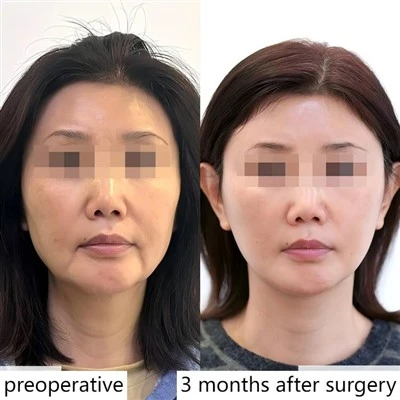
Let’s cut through the social media hype and the scary (and sometimes inaccurate) horror stories you’ll find online. First, let’s ground this in what nasolabial folds actually are, and why they change over time. Young skin has thick, plump collagen and elastin that hold its shape, so those lines are just indentations from movement, not permanent creases. As we hit our 30s and beyond, collagen production drops—roughly 1% per year, according to the American Society of Plastic Surgeons—and fat pads in the midface start to shift downward. That’s when those faint smile lines turn into deeper, more noticeable folds. For some, lifestyle factors like sun damage, smoking, or even repeated squinting can accelerate this.
Now, nasolabial fillers are a type of dermal filler, most commonly made from hyaluronic acid (HA)—a substance that’s naturally found in your skin, eyes, and joints, that holds up to 1,000 times its weight in water. When injected into the midface and along the folds, HA fillers add volume to the area: they plump up the shifted fat pads, smooth over the lines, and restore a more lifted, youthful look. But “worth it” isn’t one-size-fits-all. It depends on your goals, your skin type, how well you follow aftercare, and what you consider a return on your investment.
Let’s start with the wins, because there are a lot of them that don’t make it into the 15-second TikTok clips. First, the downtime is minimal. Unlike a facelift, which requires weeks of recovery, nasolabial filler injections take 15 to 30 minutes in an office setting. Most people can go back to work or their regular routine the same day. The only side effects are usually mild: slight swelling, redness, or tenderness at the injection site for 2 to 3 days, which fades way faster than any surgical recovery. I’ve had customers (clinics and beauty practitioners we supply) tell me their patients are thrilled that they don’t have to take time off work, miss family events, or deal with the heavy bruising that can come with other procedures.
Then there’s the natural look, when done right. A lot of people worry fillers will leave their face looking puffy or “overdone,” but that’s usually a result of too much product or an unexperienced injector. Good nasolabial fillers work with your face’s anatomy, not against it. Instead of plumping the fold itself, most skilled injectors focus on the area above the fold—the midface, where the volume loss is actually happening. That lifts the area, so the line looks less deep from above, not like someone stuffed a pillow under your skin. Patients I’ve heard from (via our partner clinics) say they go out to dinner and friends comment they look “rested” or “like themselves,” not that they “had work done.” That’s the sweet spot, and it’s one of the biggest reasons nasolabial fillers stay so popular year after year.
Cost is another factor people weigh when asking if fillers are worth it. Let’s be real: a full syringe of HA filler typically costs between $600 and $1,500, depending on the brand, the amount needed, and your location. A facelift, by comparison, can cost $7,000 to $15,000, and that requires weeks of recovery. For many people, especially those in their 30s to early 50s who aren’t ready for surgery, fillers are a fraction of the cost for similar, temporary results that fit their budget. The results last 12 to 18 months, so if you get them once a year, that’s $600 to $1,500 a year—far less than a surgical procedure that requires follow-up appointments and long-term care.
But here’s the thing: nasolabial fillers aren’t for everyone, and “worth it” has limits. If you’re hoping for a permanent fix, this isn’t it. HA fillers are gradually absorbed by your body over time, so you’ll need maintenance appointments. For some, that can feel like a hassle—you have to book a doctor’s visit, carve out time, and pay every year. If you’re not willing or able to commit to regular touch-ups, nasolabial fillers might leave you disappointed when the results fade.
There are also risks to consider, though they’re rare when done by a qualified provider. Poor technique can lead to lumps, unevenness, or even the rare chance of filler migrating to other parts of the face, creating a distorted look. In very rare cases, if a filler is injected into a blood vessel, it can cause tissue damage. That’s why it’s non-negotiable to go to a board-certified dermatologist or plastic surgeon with experience in facial injections, not a med spa employee with a few hours of training. I always tell the clinics we supply that educating their injectors is just as important as using high-quality filler, because a great product can’t make up for a bad technique.
I’ve also noticed that for people with very deep, long-standing nasolabial folds—those that are more like etched lines than just smile lines—fillers might not give the dramatic results they want. For those, a combination of fillers and other treatments like laser resurfacing or thread lifts might be a better fit, or surgery for longer-lasting changes. That’s why it’s so important to have a consultation first, where a provider can assess your specific anatomy, your goals, and whether fillers are the right option for you.
Another point that often gets overlooked: the mental side. For many people, nasolabial folds are tied to feelings of aging, fatigue, or even self-consciousness in social situations. I’ve had customers share stories of patients who avoided photos, felt self-conscious smiling, and after fillers, reported feeling more confident. That’s a huge part of “worth it” that you can’t put a price tag on. It’s not about vanity—it’s about feeling comfortable in your own skin. Of course, this isn’t a solution for deep-seated self-esteem issues, but for people who are already happy with their overall appearance and just want to smooth a line that bothers them, fillers can make a real difference.
Now, let’s talk about what makes nasolabial fillers different from other dermal fillers, and why choosing the right product matters. As a nasolabial filler supplier, I’ve worked with clinics to source products that are specifically formulated for the midface: they have a thicker consistency than lip fillers, so they can hold their shape in the area that moves when you smile, laugh, or talk. Cheap, unregulated fillers (often sold online or in unlicensed shops) might be cheaper, but they can cause long-term complications, like granulomas (hard lumps under the skin) that require surgery to remove. That’s why we only partner with reputable manufacturers whose products are approved by regulatory bodies like the FDA and CE, to ensure safety and consistency.
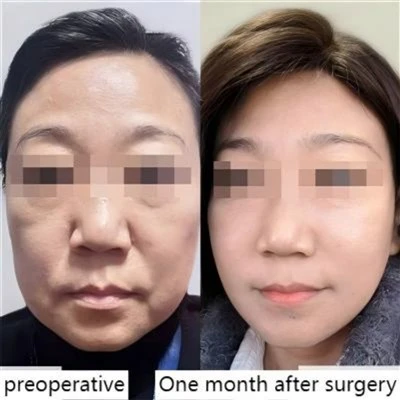
If you’re weighing whether nasolabial fillers are worth it, here’s my advice as someone who’s worked in this space for years: start with a consultation, not a purchase. Talk to a qualified provider about your specific lines, your goals, and what you’re comfortable with. Ask to see before-and-after photos of people with similar skin types and fold depth, so you have realistic expectations. If you go in with the idea that you’ll get subtle, natural results that last a year, not a complete do-over, you’re far more likely to feel like it was a good investment.
There’s no shame in taking time to decide. Some people try fillers once and love them, others prefer to stick to skincare routines (like retinoids, which boost collagen production over time) or at-home treatments that don’t involve needles. That’s the beauty of choices—what works for one person might not work for another. But for the millions of people who want a low-risk, minimally invasive way to address their nasolabial folds, nasolabial fillers can absolutely be worth it.
If you’re a clinic or beauty practitioner looking for a reliable nasolabial filler supplier to help your clients achieve natural, consistent results, we invite you to reach out to our team to discuss product options, quality standards, and partnership terms. We prioritize safety, regulatory compliance, and supporting providers to deliver the best care possible for their patients.
Facelift References:
American Society of Plastic Surgeons. (2023). Cosmetic Plastic Surgery Statistics Report.
Funt, D., et al. (2021). Hyaluronic acid dermal fillers: A review of safety and efficacy. Journal of Cosmetic Dermatology.
Rohrich, R. J., et al. (2018). Midface volume loss: The key to understanding and correcting the aging face. Plastic and Reconstructive Surgery.
Yuan Qiang
With over 20 years’ experience, Dr. Yuan Qiang is a professional doctor specializes in comprehensive treatment for nasolabial fold. If you have any enquiry about nasolabial fold, please feel free to email us. Good service and reasonable price are available.
Address: 602, South Zone, 5th Floor, Building 122, Nanhu Dongyuan, Chaoyang District, Beijing
E-mail: 496864416@qq.com
WebSite: https://www.yuanqiang-doctor.com/
