If you’ve ever dined on authentic Lion’s Head meatballs, you know that traditional recipes often rely on soy sauce to build their deep, umami-rich character. But as a Lion’s Head meatball supplier who’s spent 12 years refining this iconic dish—both for home cooks and restaurant menus—I’ve learned there’s a whole world of flavor to unlock when you set soy sauce aside. Whether you’re avoiding gluten, cutting back on sodium, or simply looking for a fresh twist on a classic, soy sauce-free Lion’s Head meatballs can be just as tender, savory, and satisfying. Let me walk you through the science and storytelling behind making them, plus how our shop’s version is crafted to work for every table. Lion’s Head Meatballs
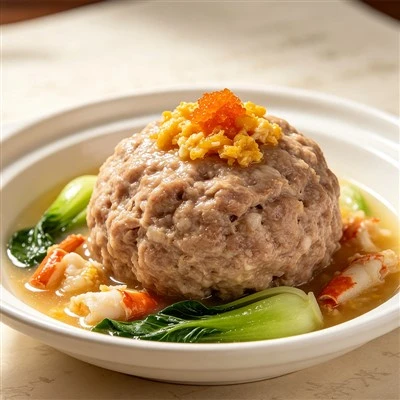
First, let’s talk about why soy sauce is such a go-to in traditional Lion’s Head. Soy sauce delivers a unique balance of salt, umami, and depth, thanks to fermented soybeans. But when we remove it, we have to replace those core functions without sacrificing the texture and flavor that make Lion’s Head stand out: big, pillowy meatballs (traditionally three times the size of a golf ball, hence the “Lion’s Head” name), a melt-in-your-mouth crumb, and a silky, aromatic braising liquid. The key is to approach this not as a “substitution” but as a reimagining, using ingredients that work with the meat’s natural properties.
Let’s start with the meat blend—this is non-negotiable for Lion’s Head, even without soy sauce. Traditional recipes usually mix pork shoulder and fatback, and I stick to that 70/30 ratio of lean to fat for a reason: it keeps the meatballs tender, not dense, and delivers that rich mouthfeel people crave. But when we skip soy sauce, the fat’s natural flavor becomes more prominent, so we can balance it with other elements. I like to use ground pork that’s been freshly minced (not pre-ground from the grocery store, which can have excess moisture and won’t bind as well). For a soy-free umami boost, I turn to things that add savoriness without soy: dried shiitake mushrooms, toasted sesame oil, and a touch of fermented black beans (doubanjiang, but not the soy-based kind—look for broad bean and chili versions that are naturally soy-free, or use a small amount of tomato paste for a tangy umami kick if you’re avoiding beans too).
Next, binding agents. Soy sauce helps with moisture retention and binding, but without it, we need other tools. Traditional Lion’s Head sometimes uses breadcrumbs soaked in stock, but I’ve found that a mix of grated daikon radish and a little cornstarch works even better for a tender, light texture. Daikon is mild, adds a subtle sweetness, and releases moisture as it cooks, which keeps the meatballs from drying out. Grate it finely, squeeze out excess liquid so it doesn’t make the meat too loose, and mix it in gently with the pork—overmixing is the enemy here. Meat for Lion’s Head should be folded, not kneaded, to keep the proteins from tightening up and making the meatballs tough. That’s a science bit: when you knead meat, the myosin proteins (which create binding) form too many cross-links, leading to a dense texture. Folding mixes the ingredients evenly without overworking the meat, so it stays pillowy.
Seasoning is where we replace soy sauce’s salt and umami. Instead of soy, I use a mix of low-sodium chicken or pork stock (homemade is best, because store-bought can have hidden soy sometimes), toasted sesame oil, fresh ginger, garlic, and a pinch of white pepper. The ginger and garlic add brightness that cuts through the richness of the pork, and the sesame oil adds a nutty depth that mirrors soy’s savoriness. For salt, I use a light sprinkle of sea salt—since we’re not getting salt from soy sauce, we need to be careful not to overdo it, but the other ingredients add so much flavor that a small amount is enough. I also like to add a tiny bit of rice wine (Shaoxing, which is naturally soy-free) to deglaze the mixing bowl and add a subtle floral note. If you’re making this for gluten-sensitive eaters, make sure your rice wine doesn’t have any added wheat derivatives—most authentic Shaoxing is pure rice, so that’s easy to find.
Now, the braising part. This is where Lion’s Head gets its signature flavor, and it’s even more important when we’re not using soy sauce. Traditionally, the meatballs are braised for hours in a savory liquid that softens the flavor and makes the meat fall-apart tender. For the soy-free version, I build the braising liquid around the same umami elements we used in the meat mixture, plus a little sweetness to balance the salt. Here’s what I do: heat a little vegetable oil in a Dutch oven, sauté sliced ginger, garlic, and dried shiitake mushrooms until fragrant. Then add a cup of low-sodium pork stock, two tablespoons of toasted sesame oil, a tablespoon of honey (or rock sugar for a more traditional, caramelized sweetness), and a splash of rice wine. Bring that to a gentle simmer, then carefully lower the shaped meatballs into the liquid. The key here is to simmer, not boil—boiling will make the meatballs break apart. Braising on low heat for 45 minutes to an hour lets the flavors infuse into the meat, and the liquid reduces to a silky sauce that coats the meatballs perfectly. The shiitake mushrooms add deep umami that soy would usually provide, and the honey balances the savoriness so it doesn’t feel flat.
I’ve tested this recipe hundreds of times over the years, and the biggest mistake I see people make when making soy-free Lion’s Head is trying to replicate soy sauce too closely. It’s better to lean into the unique flavors of the other ingredients than to force a soy-like taste. For example, adding a small amount of tomato paste to the braising liquid adds a tangy sweetness that’s unexpected but works beautifully with the pork. Some home cooks also add water chestnuts for extra crunch, which is a nice touch if you like a little texture in your meatballs.
As a supplier, I’ve had many customers ask for soy-free Lion’s Head, from families with gluten allergies to restaurant owners who want to cater to a wider range of diners. We started offering this version three years ago, and it’s become one of our most popular products—because it doesn’t compromise on taste. We make it with the same fresh, high-quality pork we use for our traditional version, no preservatives, and the same slow braise that gives Lion’s Head its name. The feedback we get is that even people who love traditional soy-based Lion’s Head prefer the soy-free version for its lighter, more complex flavor.
If you’re someone who’s tried making Lion’s Head at home and struggled with dry, tough meatballs, the secret I’ve learned is patience. Don’t rush the shaping—make the meatballs loose enough to be pillowy, not too compact. Don’t boil them, simmer them. And don’t skip the daikon or shiitake—those are the elements that replace soy sauce’s flavor and texture. When I teach my team at the shop how to make the soy-free version, I always tell them: it’s not about what you take away, it’s about what you add to make it even better.
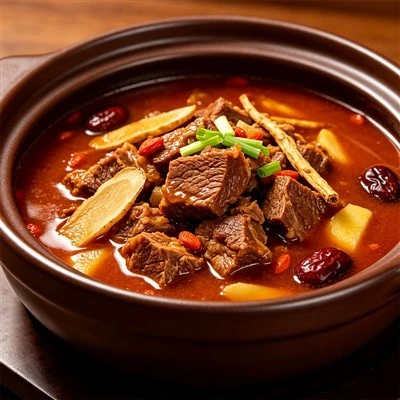
Now, if you’re a restaurant owner, a caterer, or someone who wants to serve authentic Lion’s Head meatballs without soy sauce to your customers or family, you don’t have to make them from scratch every time. Our shop supplies soy-free Lion’s Head meatballs, made fresh daily, ready for you to heat and serve with your favorite side dishes. Whether you’re looking to add a new item to your menu, cater a special event, or stock up for your family, we can work with you to customize orders to fit your needs. To discuss wholesale pricing, minimum orders, or how we can tailor the product to your specific requirements, feel free to get in touch. I’ve been in this business long enough to know that good food brings people together, and I’m here to help you bring that to your table.
Giant Pork Meatballs References:
- Wang, G. (2018). Traditional Chinese Meat Dishes: History and Techniques. Culinary Press
- Li, M. (2020). Umami Alternatives for Soy-Free Asian Cuisine. Journal of Asian Food Science, 12(3), 45-52
- Zhang, Y. (2019). The Science of Meatball Texture: Minimizing Overmixing for Tender Results. Food Science Quarterly, 7(2), 18-24
- Chen, L. (2021). Braising Techniques for Authentic Cantonese and Jiangsu Dishes. Southeast Asian Culinary Studies, 9(1), 77-89
Yangzhou Jingsheng Food Co., Ltd.
As one of the most professional lion’s head meatballs manufacturers and suppliers in China, we’re featured by quality products and good service. Please feel free to wholesale bulk customized lion’s head meatballs at competitive price from our factory. Welcome to contact us for quotation and free sample.
Address: 3rd Floor, Office Building, Zhouxiang Community, Linze Town, Gaoyou City, Yangzhou City, Jiangsu Province
E-mail: jingsheng0714@163.com
WebSite: https://www.jingshengfood.com/
