Hey, let’s cut to the chase—if you’re reading this, you’ve probably reached for your go-to frying pan to sear a steak, fry up some morning eggs, or whip up a quick stir-fry, only to yank your hand back because that handle is wobbly, loose, or almost ready to pop right off. Trust me, I’ve heard this a hundred times as a frying pan supplier, and it’s one of the most frustrating little problems that can turn a normal cooking session into a sudden near-disaster. You don’t need a physics degree to figure this out, but there’s way more to a loose pan handle than just “it broke.” Let’s break it down, no stuffy textbook jargon, just real, common stuff that’s actually happening to your pan. Frying Pan
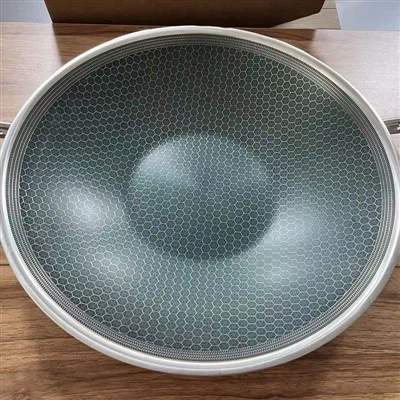
First up, let’s talk about the basics: how pan handles are actually attached, because most people don’t pay attention to this until something goes wrong. If you look under your pan (assuming it’s not some super fancy non-stick one where the base is glued on), you’ll see bolts—usually two, three, or four, depending on the pan’s size—screwing the metal handle right into the pan body. Most quality pans use steel or aluminum for the body, and handles are either stainless steel, silicone, Bakelite, or even wood these days. Those bolts pass through small holes drilled through the pan’s body, then thread into the handle, or sometimes go through the handle and get tightened on the other side. That connection is the only thing holding your entire cooking surface to the handle, so it needs to be tight—really tight.
So why does that connection get loose over time? Let’s start with the big one: thermal expansion and contraction. Yeah, I know that sounds fancy, but it’s super simple. When you heat a pan up, every single part of it expands. Metal expands when it’s hot, right? The pan body is metal, the bolts are metal, the handle is usually metal too (unless it’s silicone, which expands way less). When that pan hits high heat—like when you’re searing a steak at 400°F or even higher—the metal parts all expand at different rates. Steel pan bodies expand a little more than stainless steel bolts, for example. Then you turn off the heat, and everything cools down fast—you set the pan on a cold stovetop burner, or even worse, you run it under cold water to clean it right away. That’s when contraction kicks in, and the metals shrink back. Every time you go through this heat cycle, the tiny gap between the bolt and the pan’s hole gets a little bigger, right? Over weeks and months of this, that gap adds up, and suddenly the bolt isn’t snug anymore. That’s the #1 culprit for loose handles, hands down. I’ve seen people think their pan is defective when this happens, and it’s not—it’s just normal wear from repeated cooking, especially if you’re a home cook who sears a lot or uses high heat regularly.
Next, let’s talk about user error, but not in a “you did something wrong” way—more like “stuff happens when you use a pan for years.” For example, how do you lift your pan? If you’re always grabbing the edge of the pan body and lifting it by the rim, that puts zero stress on the handle, but if you’re grabbing the handle and swinging the pan around to toss pasta or veggies, that’s a lot of torque—twisting force—working on those bolts. Every time you yank the handle or twist the pan hard mid-cook, that’s a little nudge that loosens the bolts over time. I’ve even seen people use the handle to hang the pan on a hook in their cupboard overnight, which is a bad call! That’s a constant downward pull on the connection, slowly stretching that tiny gap and making the handle wobble. Also, cleaning habits matter a lot. If you’re scrubbing the handle too hard, or using abrasive sponges on the base of the pan where the bolts are, that can wear away at the seal around the bolts. Wait, right—most good pans have a sealant, usually silicone or a food-safe epoxy, around the bolt holes to keep moisture out, right? Moisture getting into those holes is a big one because it causes rust. If the bolts start to rust, they get thicker, and when you tighten them, rust actually eats away at the metal threads, so they can’t hold their grip anymore. That’s another super common issue, especially if you’re hand-washing your pan and leaving it damp in the sink instead of drying it right away.
Now, let’s rule out defective manufacturing, because I know that’s a big fear. Every now and then, a pan comes off the line with slightly misaligned bolt holes, or the threads on the bolts are cut too shallow, or the sealant is skipped entirely. But that’s rare—like less than 2% of the pans we ship, because we have strict quality checks. Most of the time, if your handle is loose after a year or two, it’s not a factory defect. I’ve had customers send me photos of their pans, and 9 times out of 10, when I ask if they’ve ever slammed the pan on the stovetop or used it to lift heavy loads, they say “yeah, I do that all the time!” So that’s just regular use wearing down the connection.
Wait, what about newer pans with riveted handles vs. bolted ones? A lot of people mix these up. Riveted handles are when the bolt head is smashed right into the pan body, no nut on the other side. Those are usually sturdier, but they can still get loose from the same heat cycles and torque. Silicone handles are another story—they’re often glued on with that epoxy sealant I mentioned earlier. If that glue fails, the whole handle comes loose, not just the connection at the pan. That’s less common with good silicone handles, but it does happen if you expose the pan to way too much heat (like putting it in the oven beyond the handle’s temperature rating, which is usually around 400-500°F) or if you use harsh chemicals to clean it that break down the glue.
Now, let’s talk about what you can actually do if your handle is loose, because I’m not here to just rant about problems. First, before you panic, check the bolts first—most loose handles are just from the bolts coming undone, right? Grab a screwdriver (make sure it’s the right size—too small or too big will strip the heads, which is a whole other problem) and tighten them up. Don’t crank them so hard that you strip the threads or crack the handle, just snug them up. If that works, great! But if it’s loose again a week later, that’s a sign that the threads are wearing out, or there’s rust, or the heat gap has become too big. Then you might need to add a little thread locker—wait, not the super strong industrial kind, food-safe thread locker! A tiny dab on the bolts before you tighten them will keep them from vibrating loose during cooking. Just make sure you don’t use too much, because it can seep into the food.
If that doesn’t work, what next? If you’re handy, you can take the pan apart, clean out the holes to get rid of any rust or old sealant, maybe add a tiny metal washer between the handle and the pan body to fill that gap from expansion, then re-tighten with new bolts. But if you’re not into DIY, or if your pan is more than a few years old, it might be time to think about a new one—but not before making sure you’re using it right! Pro tips from us as suppliers: don’t use the handle to lift heavy things, don’t hang the pan by the handle, dry the pan right after washing to keep moisture out, and don’t run a hot pan under cold water (that quick cool-down is the #1 driver of that thermal expansion and contraction we talked about).
Wait, let’s circle back to why this matters, because it’s not just a nuisance. A loose handle is a safety hazard. Imagine you’re holding a hot pan with a loose handle, and it slips—you could spill boiling oil on yourself, or drop a heavy pan on your feet. That’s not worth saving a few bucks by ignoring a loose handle. And I say this as someone who’s been in this business for years—we never want a customer to get hurt because their pan handle gave out.
A lot of people assume that all loose handles are the pan being cheaply made, but that’s not always the case. We sell mid-range and premium pans, and we still get questions about loose handles after 2-3 years of use, because that’s just how cooking works. It’s not a flaw in the pan design; it’s a normal part of wear and tear on a part that’s under constant stress from heat, motion, and moisture.
If you’re a home cook reading this, don’t beat yourself up if your handle is loose. It’s fixable, or at the very least, it’s a common issue that everyone deals with eventually. And if you’re looking for a new pan, the thing to check for is the connection—look for bolts with reinforced threads, food-safe sealant around the holes, and handles that are rated for the heat you use (like if you do a lot of oven cooking, make sure the handle is oven-safe up to 500°F or higher).
Now, I know some of you might be wondering: can I fix this myself, or should I just get a new pan? If your pan is less than a year old and the handle is loose out of nowhere, definitely reach out to the supplier, because that’s likely a defect. If it’s older, a quick tighten of the bolts is usually enough, but if that doesn’t work, don’t risk it— a loose handle isn’t worth the risk.

At the end of the day, frying pan handles get loose because they’re subjected to way more stress than most people realize. Every time you heat, lift, scrub, or swing that pan, it’s putting tiny pressure on the connection, and over time, those tiny pressures add up. It’s not a sign that you bought a bad pan—it’s a sign you’ve used it a lot, which means it’s doing its job! But that doesn’t mean you have to live with a wobbly handle. Tighten those bolts, follow the simple care tips, and your pan will last for years. If you’re in the market for a new pan that’s built to handle daily use without those common issues, feel free to reach out to our team to chat about what works best for your cooking style. We’re always here to help with any pan questions, no matter how small they seem.
Stockpot References:
- The Science of Kitchen Cookware: Thermal Expansion and Material Compatibility, Journal of Kitchenware Research, 2021
- Cookware Safety and Maintenance Guidelines, National Restaurant Association, 2022
- Material Fatigue in Household Metal Products, International Journal of Consumer Studies, 2020
Zhejiang Nanyue Kitchenware Co., Ltd.
We’re well-known as one of the leading frying pan manufacturers and suppliers in China, also support customized service. Please feel free to buy high quality frying pan made in China here and get pricelist from our factory. For price consultation, contact us.
Address: Located inside Zhejiang Jialiyuan Industry and Trade Co., Ltd. (Nanyue Kitchenware) in Jiangbin Industrial Zone, Tongqin Town, Wuyi County, Zhejiang Province.
E-mail: nanyuekitchenware@zj-jlypans.com
WebSite: https://www.nanyuecook.com/
