Let me start by saying this: I’ve sold men’s belts for over a decade, and I’ve seen more broken belts than I can count. From frayed leather edges on work belts snapped under the weight of a tool belt to the shiny metal keeper on a casual leather belt tearing off mid-date night, broken belts don’t just ruin a look—they mess with your whole day. For a long time, customers would toss them in the trash and pick up a cheap drugstore belt instead, but over the last few years, more guys have been asking: can I fix my belt at home without ruining it? As a Men’s Belts supplier, I’m here to break this down step by step—no fancy tools, no professional tailor needed, just real, tested advice that works for most common belt breaks. Men’s Belts
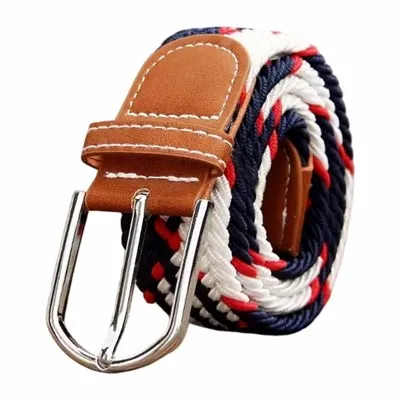
First, let’s figure out what’s actually broken, because not all belt damage is the same. The most common issues I get asked about fall into three categories: frayed edges (usually on full-grain leather belts that have been worn a lot), loose or broken keepers (the little loop that holds the excess belt length), and snapped holes or the hole end (where you put the prong). Less common, but still frequent, is a broken prong or a cracked leather strap, mostly on lower-quality belts that weren’t made to last. I always tell customers to first do a quick check: pull the belt tight, wiggle the broken part, see if it’s a simple tear or if the leather is stretched out from years of use.
Let’s start with the easiest fix first: a loose or broken keeper. This is super common, and it’s usually not the keeper itself breaking, but the stitching holding it to the belt strap coming undone. A lot of guys don’t know you can fix this with basic supplies you probably already have at home: a needle, heavy-duty thread (go for polyester or cotton-wrapped polyester—regular sewing thread will fray), and a pair of small scissors. First, wipe down the area with a damp cloth to get rid of any dirt, because sewing through dusty leather will make the thread break faster. Then, thread your needle, and tie a small knot at the end of the thread. Hold the keeper up to the back of the belt strap, and start stitching through both layers—make small, tight stitches, about 1/8 inch apart, just like when you sew a button on a shirt. If the keeper is actually cracked (rare, but possible on cheap belts), add a tiny dot of leather glue to the crack before sewing, wait 10 minutes for it to set, then stitch. For extra durability, tie a knot at the end of the thread, and trim the excess. This fix works 9 times out of 10 for keepers, and I’ve had customers report their fixed keepers lasted over a year, even with daily wear.
Next up: frayed belt edges. Full-grain leather belts are made of a dense, tight grain, so most fraying happens at the very end of the belt strap, the part you thread through the buckle. Fraying is annoying because it looks messy, and over time, the frayed fibers can work their way up and make the whole strap weak. The fix here is simple, but you need to be careful not to mess up the clean edge of the belt. First, cut off the frayed end with sharp scissors—make a straight, even cut, no angled edges. Then, apply a thin layer of leather edge finish to the new cut edge. Wait, leather edge finish? If you don’t have that, clear nail polish works in a pinch (just use a thin coat, don’t glob it on, and let it dry completely between coats). This seals the loose fibers so they don’t come undone, and gives the belt a polished look. I always tell customers to do two thin coats instead of one thick one—thick coats can crack when you bend the belt. This fix is perfect for work belts or casual leather belts that get a lot of use, and it’s way cheaper than buying a new belt just because the edge is a little frayed.
Now, the trickier ones: snapped holes or a cracked strap near the buckle. This is the issue I get the most calls about, because it usually happens right before a big event—like a wedding or a job interview—and guys panic, thinking they have to run to the store for a new belt. Let’s break this into two parts: a snapped hole, and a small crack in the strap. For a snapped hole: first, mark where you want to make a new hole. It should be about 1/2 inch away from the old broken hole, so you don’t weaken the strap more. Use a leather hole punch (you can get a basic one at any craft store for under $10) or a sharp, round awl. If you don’t have a punch, a sharp pair of scissors or even a keyhole will work in a pinch, just heat the tip a little with a lighter first (be careful not to burn yourself) to make a clean, round hole. Once you make the new hole, test it with your belt buckle prong—if it’s too loose, you made it too big; if it’s too tight, go a little deeper. If the strap is cracked near the hole (not all the way through), apply a tiny amount of leather glue to the crack, press it together, and put a small clamp (or even a heavy book) on it while it dries for 30 minutes. Then, once it’s dry, trim any excess glue, and test the hole. I always warn guys not to make too many extra holes—each hole weakens the strap a little, so only make one new hole if you can, not two.
Now, what about a really bad break? Like a split all the way through the belt strap, or a buckle that’s pulled off completely? This is where a lot of people give up, but it’s actually fixable if it’s a high-quality full-grain leather belt. For a split strap: first, clean both broken ends with a damp cloth and a little rubbing alcohol to get rid of dirt and oil. Then, apply leather glue to both ends, and press them together firmly—make sure they line up perfectly, no gaps. Put a clamp on them, and leave it for at least an hour (I usually wait 2 hours just to be safe). Once it’s dry, reinforce the back of the split with a small piece of leather, cut to match the width of your belt. Glue that piece to the back of the split, and once it’s dry, stitch it in place with heavy-duty thread, about 1/4 inch from each edge. This adds extra strength, so the split doesn’t happen again. For a broken buckle: if the prongs are still good and just the base is pulled off, you can reattach it with heavy-duty thread, just like you did for the keeper. If the metal part of the buckle is bent and broken, that’s harder, and usually not worth fixing—metal buckles are often swaged onto the belt, so you’d need special tools to reattach them.
Wait, let’s talk about what not to do. I’ve seen guys try to fix belt breaks with super glue, and that’s a big no. Super glue is too strong for leather, it will crack when you bend the belt, and it will damage the leather surface permanently. Another mistake: using regular thread instead of heavy-duty. Regular sewing thread will fray and break in a few weeks, especially if you wear the belt daily. And don’t try to cut corners when making holes—using a dull tool will make the hole uneven, and the prong will pull through easily, leading to more breaks.
Now, a quick note about belt care to prevent breaks in the first place, because the best repair is no repair. As a Men’s Belts supplier, I always tell customers to rotate their belts—don’t wear the same belt every single day. Leather needs time to breathe and regain its shape, so rotating two or three belts will double their lifespan. Also, don’t overload your belt—too much weight in your pockets, especially if you have a thick work belt holding tools, will stretch and crack the leather over time. If you have a fabric or nylon belt, don’t overstretch it, and wipe it clean regularly to prevent dirt from fraying the fibers.
I know a lot of guys think repairing a belt is too much trouble, or that it will look messy. But I’ve had customers come back to me months later saying they fixed their old work belt, and it still looks better than the cheap ones they were buying before. The key is taking your time, using the right supplies, and matching the fix to the type of damage. If you try to fix a really cheap, thin belt that was $10 from a gas station, it’s probably not worth the effort—go ahead and replace it. But if it’s a good quality belt from a reputable brand, or even one you got from my Men’s Belts collection, fixing it is a simple, eco-friendly way to make it last longer.
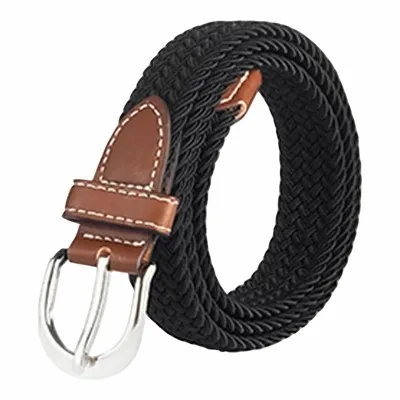
At the end of the day, a belt is more than just an accessory—it’s the finishing touch that pulls your whole outfit together. There’s no need to throw away a perfectly good belt just because of a small break. If you’ve tried repairing your belt and it didn’t work, or you have a more complex issue you’re not sure about, don’t hesitate to reach out to our team for help. We’re always here to answer questions about belt care, repairs, or helping you pick out a new belt that’s built to last for years.
Elastic Belts References:
- Leather Repair Association. Guide to Basic Leather Accessory Repairs. 2022.
- American Sewing Guild. Working with Heavy-Duty Thread for Leather Projects. 2021.
- Craft and Hobby Association. Essential Tools for Home Leather Repairs. 2020.
Pingyang County Ganhua Leather Goods Co., Ltd.
As one of the most professional men’s belts manufacturers and suppliers in China, we’re featured by quality products and good service. Please rest assured to wholesale customized men’s belts made in China here from our factory. Also, free sample is available.
Address: No. 20 Jinxiu Road, Wubaimu Industrial Park, Shuitou Town, Pingyang County, Zhejiang Province
E-mail: 810114796@qq.com
WebSite: https://www.ganhuabelt.com/
