Alright, let’s cut to the chase – if you’ve ever wondered what a mobile drilling rig actually is, you’re not alone. I’ve been in the drilling rig supplier game for over a decade, and I can’t tell you how many times I’ve had construction guys, landowners, even some newbie oil and gas interns hit me up with that exact question. Most people picture a giant, fixed rig planted in the middle of nowhere, right? But mobile rigs? They’re a whole different beast, and they’re way more versatile than you’d think. Let me break this down like I would over a coffee at a job site, no stuffy textbook jargon, promise. Drilling Rig

First off, let’s define it simple: a mobile drilling rig is exactly what it sounds like – a rig that you can move from one spot to another without having to tear the whole thing down and rebuild it every time. That’s the big difference from the fixed, permanent rigs you see in movies that stay on a single well for years. These mobile units are built to be transported on trucks, trailers, sometimes even barges or helicopters if you’re working in super remote areas. I’ve sent rigs up to the Rocky Mountains before that got hauled by heavy-duty flatbeds winding up mountain passes, and we’ve had smaller ones helicoptered into Alaskan tundra sites where roads don’t even exist.
Now, don’t confuse “mobile” with “small” either. Yeah, there are tiny compact mobile rigs that fit on a single trailer – perfect for things like water well drilling on a family farm or small geothermal projects. But there are also heavy-duty mobile rigs that are like 100+ tons, split into multiple trailer loads because you can’t fit the whole thing on one truck. Those big boys are for oil and gas exploration, or drilling deep geothermal wells for commercial projects. They still move, just in pieces.
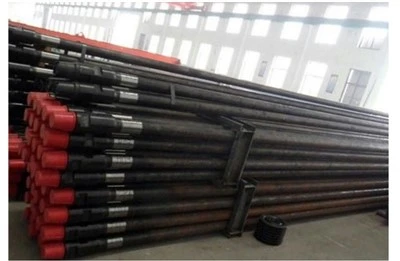
Let’s talk about how they work, because that’s where the science part comes in, but I’ll keep it real. Every drilling rig – mobile or not – has the same core parts, but mobile ones are designed so those parts can be taken apart and moved. The main stuff: there’s the draw works, which is basically the big winch that lowers and raises the drill string (that’s the long pipe with the drill bit at the end). Then there’s the mast or derrick – that tall metal frame that holds the draw works up. On a mobile rig, the mast isn’t permanent; it’s usually a telescoping or folding design so you can collapse it for transport. That’s a game-changer because a full derrick on a fixed rig is like a 100-foot-tall tower that you can’t move.
Next up, the power system. Mobile rigs run on diesel engines most of the time, sometimes electric if you’re in an area with grid power, but diesel is way more common for portability. That engine powers everything – the winch, the pumps that circulate drilling mud, the hydraulics that control the rig’s movement. Oh, right, the drilling mud is super important – it’s that fluid you hear about that cools the drill bit, carries rock cuttings back up to the surface, and keeps the well from caving in. On a mobile rig, the mud tanks are usually mounted right on the trailer or connected to the rig frame so they move with it, no separate haul needed.
Now, where do these rigs get used? That’s the fun part, because it’s not just oil and gas. Let’s list the most common jobs I see as a supplier: first, water well drilling. Like I said, small to mid-sized mobile rigs are the go-to here – farmers, rural homeowners, municipalities all use them to drill wells that can be anywhere from a hundred feet to a few thousand feet deep. Then there’s geothermal drilling – both residential (for heating and cooling homes) and commercial, like big buildings that use geothermal energy to cut utility costs.
Oil and gas exploration is another big one. When energy companies are scouting new areas, they don’t want to drop a ton of cash on a fixed rig before they even know if there’s oil or gas there. So they use mobile rigs to drill test wells (exploration wells) to check for reserves. If they hit something big, they might bring in a bigger fixed rig later, but the mobile one gets them started fast. Then there’s horizontal directional drilling (HDD) – wait, is that a drilling rig? Yeah, technically, it’s a type of mobile drilling rig used to lay pipes or cables under roads, rivers, or buildings without digging a huge trench. You’ve probably seen that done when they put fiber optic lines across town – that’s a mobile HDD rig, working right from a spot on the side of the road, no big mess.
Oh, and let’s not forget mineral exploration. Companies looking for things like lithium, copper, or gold use small mobile rigs to drill core samples to see how much of the mineral is in the ground. Those rigs are super precise, can drill deep core samples in a few days, and then move to the next site no problem. I shipped a whole fleet of those to Nevada a couple years back for a lithium project – they were perfect because the sites were spread out over a huge desert area, so moving fast was key.
Now, what makes a good mobile drilling rig? I’ve been selling these things long enough to know what matters most to the people using them. First, transportability – obviously. If you can’t get the rig to the job site, it’s useless. That means the unit needs to be road-legal (or have easy-disassemble parts) so you don’t need a crew of 10 and a crane just to move it. Reliability is huge too – job sites don’t wait around for broken rigs. If your rig dies in the middle of drilling a water well for a town that’s out of water, that’s a big problem. We build our rigs with heavy-duty parts, and we have service crews on call 24/7 because stuff breaks, and people need it fixed yesterday.
Versatility is another big one. A lot of drillers need a rig that can do multiple jobs – one day drill a water well, the next do a small HDD project, the next a core sample for mining. So modern mobile rigs have interchangeable parts – different drill bits, different mud pumps, different mast sizes – so you can switch things out without taking the whole rig apart. That saves time and money, which is everything in this industry.
Wait, let’s address a common misconception I hear all the time: “Mobile drilling rigs are less powerful than fixed ones.” Yeah, maybe some of the tiny ones, but the heavy-duty mobile ones? They can drill just as deep, if not deeper, than a lot of fixed mid-sized rigs. I had a customer last year who used one of our 70-ton mobile rigs to drill a geothermal well over 12,000 feet deep. That’s deeper than some oil and gas fixed rigs from the 90s. The difference is just how they’re built to move – the heavy components are designed to handle transport stress, so they’re just as strong as fixed rig parts.
Now, let’s talk about why mobile rigs are more important now than ever. A lot of industries are moving faster, wanting projects done quicker, and in more remote or hard-to-reach places. Fixed rigs take months to set up and can cost millions just to move to a site. Mobile rigs? A good crew can have one unloaded, set up, and drilling in a day or two. That cuts project timelines way down, and saves companies a ton of money. Also, with more focus on energy transition – geothermal, wind, even battery mineral mining – mobile rigs are perfect because they can go to multiple small sites instead of needing one big fixed rig for a single project.
I’ll give you a real example. Last year, we supplied a set of mid-sized mobile drilling rigs to a solar farm project in Texas. They needed to drill hundreds of feet deep for the ground-mounted panel foundations – way deeper than just the regular fence post holes. The job was spread out over 5,000 acres, so moving the rig from one end to the other in a few hours was a must. If they’d used fixed rigs, they would have needed 10 times as many, and the project would have taken twice as long. The mobile rigs did the job in half the time, and saved them over $2 million in equipment costs. That’s the kind of result I live for as a supplier.
Now, if you’re someone who’s looking to get into drilling, or you have a project that needs a rig, what do you need to know before buying or renting? First, figure out exactly what you’re drilling, how deep you need to go, and where the site is. If it’s a small water well in a subdivision, you don’t need a 100-ton heavy-duty rig – a compact trailer-mounted one will work. If it’s a deep geothermal well or oil exploration, you need something with enough power and torque to drill that deep. Also, think about transport – are the roads to the site wide enough? Is there a place to park a big flatbed? If it’s super remote, maybe a helicopter-transportable modular rig is the way to go.
And for Pete’s sake, don’t forget about after-sales support. A rig is a big investment, and when it breaks, you can’t just Google “how to fix a drill rig” and call it a day. You need a supplier that has parts in stock, service techs that know your specific rig model, and can get to your site fast. That’s why a lot of our customers stay with us for years – it’s not just about selling a rig, it’s about being there when they need us.
Look, at the end of the day, mobile drilling rigs are the workhorses of the drilling industry. They’re the ones that get water to rural towns, power to new homes, minerals for our batteries, and even the infrastructure for our telecom networks. They’re not just big metal boxes on wheels – they’re engineered to get the job done, no matter where that job is. I’ve seen them in the middle of the Amazon rainforest, on frozen lakes in Canada, in deserts, in cities navigating around traffic and power lines. They’re adaptable, reliable, and essential for so many projects that keep our world running.
Mud Pump If you’re in the market for a mobile drilling rig, or you have questions about which type would work best for your project, don’t overcomplicate it. Hit us up to chat, no pressure, no sales pitch that’s too hard to listen to. We’ve helped hundreds of customers pick the right rig, whether they’re a one-man water well driller or a big energy company with a fleet of projects. Just tell us what you need, where you’re working, and how deep you need to drill, and we can point you in the right direction. No stuffy contracts, no hidden fees, just straight talk about getting you the rig that will get your job done on time and on budget.
References
- Petroleum Technology Transfer Council (PTTC). "Mobile Drilling Rigs: Design, Applications, and Operational Considerations."
- International Association of Drilling Contractors (IADC). "Compact and Mobile Rig Solutions for Modern Drilling Projects."
- U.S. Department of Energy. "Geothermal Drilling Technology: Mobile Rig Advancements for Commercial Deployment."
Hebei Zhongxin Machinery Equipment Co., Ltd.
As one of the most experienced drilling rig manufacturers in China, we also support customized service. We warmly welcome you to buy high quality drilling rig for sale here from our factory. If you have any enquiry about pricelist, please feel free to email us.
Address: Wangxizhang Industrial Zone, Zhao County, Shijiazhuang City, Hebei Province, China
E-mail: zxnjbzg@163.com
WebSite: https://www.hbzxdrilling.com/
