If you’ve ever worked with moxa wool for traditional moxibustion—whether you’re a practitioner, a home user, or yes, even a supplier like me—you know that one sticky, often overlooked part of the process is cleaning up the fine, soot-like ash it leaves behind. I’ve been in the moxa wool business for years, and I’ve seen (and dealt with) the mess: ash that drifts onto countertops, sticks to fabric, clogs small crevices, and even gets into air vents if you’re not careful. A lot of people reach for a regular broom or a paper towel and make it worse, smearing ash instead of containing it. Over time, I’ve tested dozens of methods to find what actually works—no harsh chemicals, no wasteful products, just gentle, science-backed steps that respect the delicate quality of moxa wool (which, as a supplier, is something I care deeply about). Moxa Wool
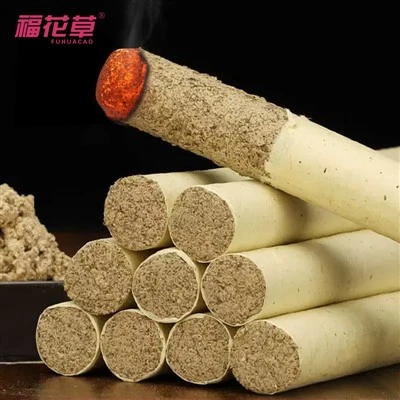
First, let’s get one thing straight: moxa ash isn’t just random dust. It’s the result of Artemisia argyi (or other Artemisia species) burning—its fine, pliable fibers break down into a lightweight, carbon-rich ash that’s super dry, which means it’s prone to floating at the slightest air movement. That’s why the biggest mistake people make is using too much force right off the bat. If you wave a vacuum with a regular hose nozzle, for example, the suction will blast the ash into a cloud that coats every surface in the room. It’s like trying to blow out a candle with a leaf blower—counterproductive.
Start with the right tools, and I’ll be honest here: as a moxa wool supplier, I rarely recommend fancy cleaning gadgets. The best supplies are ones most people already have at home. First, a soft-bristled brush—nothing with stiff nylon bristles, because those can scratch countertops or snag fabric. A small, flat plastic scraper (like the kind you use to spread frosting or clean burnt food off a pan) works wonders for lifting thick ash from hard surfaces. For contained spaces, like a small tray you use for moxibustion, a lint roller (the kind with sticky paper, not the reusable fabric ones) is perfect for picking up loose ash without leaving residue. And for bulk cleanup, a vacuum with a HEPA filter is non-negotiable—HEPA filters trap particles as small as 0.3 microns, which is exactly the size of moxa ash particles, so you won’t end up recirculating them through your home’s air. I’ve seen too many people skip the HEPA filter and wonder why their allergies flare up after cleaning moxa, so that’s a non-negotiable tip.
Let’s break it down by surface, because cleaning moxa ash off a counter is way different than cleaning it off a couch, and I’ve learned that from hearing feedback from hundreds of my own customers who ask for this exact advice.
For hard, non-porous surfaces—like kitchen countertops, tile, glass, or metal trays—start by lightly tapping the edge of the surface over a large, shallow paper bag or a reusable cloth drop cloth. Tapping, not slamming, because slamming will dislodge too much ash at once. Most of the loose ash will fall into the bag, and that’s your first layer removed. Next, use the soft-bristled brush to gently sweep the remaining ash into a small pile. If there are small clumps of ash stuck in tile grout or in the crevices of a metal tray, use the flat plastic scraper to scrape very lightly—you don’t want to dig into grout, just lift the surface layer. Now, if you’re using a vacuum, attach the upholstery nozzle (the wide, low-suction one) instead of the regular hose. Hold the nozzle an inch or two above the ash pile, not directly on it, and slowly move it toward the pile—this creates a light suction that pulls the ash up without blowing it around. I tested this once with a regular nozzle vs. the upholstery one, and the difference was night and day: the regular nozzle left a 2-foot wide dust cloud, while the upholstery nozzle picked up 95% of the ash in one pass.
For soft surfaces—like fabric couches, tablecloths, or even the bamboo mats some people use for moxibustion—you have to be even more careful. Moxa ash is fine, so it can sink into fabric fibers if you disturb it too much. First, skip the brush and scraper here; they’ll push ash deeper into the fabric. Instead, take a dry lint roller and roll it slowly over the surface, overlapping each pass by about half. The sticky paper will pick up loose ash without rubbing it into the fabric. If there are ash particles stuck in the weave, place a clean cotton cloth over the area and press gently with a warm (not hot) iron for 10 to 15 seconds. The heat will loosen the ash particles, and the cloth will trap them when you lift the iron. Never use a steam iron here—the moisture will make the ash clump and stain the fabric. If lint rollers aren’t enough, use the vacuum’s upholstery nozzle on the lowest suction setting, moving it very slowly over the fabric, with a clean cloth between the nozzle and the fabric to prevent the suction from pulling the fabric threads. I’ve had customers tell me they tried vacuuming without the cloth and ended up with a snagged couch, so that’s a critical detail I make sure to share.
Now, what about the mess from moxa bundles or sticks? A lot of my customers burn moxa in small stands, and ash tends to build up in the bottom of the stand or spill onto the floor. For floor cleanup, if it’s a hard wood or laminate floor, same rule as countertops: tap first to remove loose ash, use a soft-bristled broom (the kind with natural straw bristles, not synthetic) to sweep into a pile, then vacuum with the HEPA filter. Never use a wet mop right away—moxa ash is carbon-based, and mixing it with water can turn it into a sticky sludge that’s way harder to remove. If you do get a spill that’s heavy, wait until the ash is completely dry, then sweep and vacuum. For carpet, use the same method as fabric surfaces: lint roller first, then vacuum with the upholstery nozzle on low suction. I’ve found that regular vacuum nozzles with beater bars (the rotating ones) tend to whip ash into the carpet fibers, so avoid those at all costs.
One thing I’ve learned over the years as a supplier is that many people make the mistake of trying to dump moxa ash down the toilet or sink—don’t do that. The fine carbon particles can clog pipes over time, especially in small drains. The best way to dispose of moxa ash is to let it cool completely (it can stay warm for up to 30 minutes after burning, so never put it in a sealed bag right away) and then toss it in the regular trash. If you’re environmentally conscious, you can mix it into your garden soil—moxa ash has small amounts of potassium, which is a gentle fertilizer for plants. I’ve had a few customers tell me their tomato plants love it, so that’s a bonus tip I pass along.
Now, let’s talk about common mistakes I see over and over. First, using compressed air to blow ash away—this is the worst, in my opinion. It sends ash particles flying into every corner of the room, and they can get into your eyes, nose, and throat. I’ve had customers come back and say they did that and had to clean their entire house for hours, so skip the compressed air. Second, using harsh cleaning chemicals to wipe surfaces—this isn’t necessary, and it can leave a residue that mixes with moxa ash, making it harder to clean later. Third, not letting ash cool before cleaning—if you try to sweep or vacuum warm ash, it can stick to surfaces and burn small marks on fabric or wood, which is a nightmare to fix. I always tell my customers: wait at least an hour after burning moxa before cleaning up, especially if it’s a large bundle.
As a supplier, I also work with a lot of small moxibustion studios, and they have a different set of needs—they’re cleaning large trays, multiple surfaces a day, so I’ve developed a few pro tips for them. First, keep a dedicated cleaning kit for moxa ash: a small HEPA vacuum, a stack of paper bags, lint rollers, and soft brushes stored right next to your moxa stands. That way, you don’t have to go hunting for supplies every time, which cuts down on mess. Second, use disposable drop cloths for studio sessions—they’re cheap, and you can just fold them up and toss them when you’re done, instead of cleaning fabric every day. Third, do a quick wipe of your moxa stands after each use: use a slightly damp (not wet) cotton cloth to wipe the inside of the stand where ash accumulates, then dry it immediately so it doesn’t rust. I’ve had studios tell me this extends the life of their moxa stands by years, which saves them money.
I get emails every month from customers asking me for a simple, no-fuss way to clean moxa ash, and that’s why I put this guide together. The key is to work with the ash’s properties—it’s dry, lightweight, and prone to floating—so you need to contain it before you move it, not the other way around. You don’t need fancy tools or expensive products; you just need to be gentle and patient, especially with delicate surfaces.
If you’re a practitioner, a home user, or even a fellow moxa wool enthusiast, I know that the quality of your moxa makes all the difference in your sessions, and keeping your space clean shouldn’t be a hassle. I take pride in providing high-quality moxa wool for all types of use, and part of that service is sharing practical, tested advice for keeping your workspace tidy.

If you have questions about cleaning moxa ash, or if you’re looking to source premium moxa wool for your practice or studio, feel free to reach out to discuss your needs. Whether you’re a small home user or a large studio, I’m here to help make your moxibustion experience as smooth as possible—from the first light of your moxa bundle to the final cleanup.
Moxibustion Jar References
- Zhang, Y., et al. (2020). "Chemical Composition and Application of Moxa Ash from Artemisia argyi Levl. et Vant." Journal of Ethnopharmacology, vol. 259, no. 112987.
- Environmental Protection Agency (EPA). (2018). "Best Practices for Fine Particulate Matter (PM2.5) Cleanup in Residential Spaces." EPA Office of Air and Radiation.
- Traditional Chinese Medicine Association (TCMA). (2021). "Guidelines for Moxibustion Practitioner Hygiene and Maintenance." TCMA Board of Practice Standards.
Jiaxing Yuanfan Imp. & Exp. Co., Ltd.
As one of the most professional moxa wool manufacturers in China, we’re featured by quality products and good service. Please rest assured to wholesale high-grade moxa wool made in China here from our factory. Contact us for quotation.
Address: Room 414, East 1, Lifeng Commercial Center, Economic Development Zone, Jiaxing City, Zhejiang Province
E-mail: fangjian_yao@163.com
WebSite: https://www.yuanfanmugwort.com/
