Hey everyone, if you’ve spent any time around tattoo culture lately, you know the big debate: coil vs rotary machines. I get it, I’m right in the middle of this as a rotary tattoo machine supplier, and one question comes up CONSTANTLY from artists—especially those who love Japanese-style work: Can a rotary tattoo machine actually pull off traditional Japanese tattoos (the ones with all the irezumi, koi fish, dragon details, that bold, heavy look)? Rotary Tattoo Machine
First off, let’s cut through the noise. For the longest time, folks assumed Japanese-style tattoos (irezumi, tebori, all that traditional stuff) were only made with hand-poked tebori tools or heavy coil machines. But that’s a myth—let’s break this down like we chat in my shop when an artist comes in with that exact question.
Let’s start with what makes Japanese-style tattoos unique. It’s not just the designs: koi fish with scales that have that crisp, solid edge, waves with those thick, sweeping lines, fuga (lions) with bold outlines, color packs that are dense but not muddy, and all those solid black fills that don’t fade fast. Traditional tebori uses bamboo or steel needles tapped into the skin by hand, which gives that super organic, slightly uneven line some artists love—but it’s slow, it takes way more power from the artist, and it’s not feasible for large pieces (like full-back sleeves) that are super common in Japanese-style work these days. Coil machines have been the go-to for that speed, but they’re loud, vibrate like crazy, and some artists say they can’t get the same control for fine details with them.
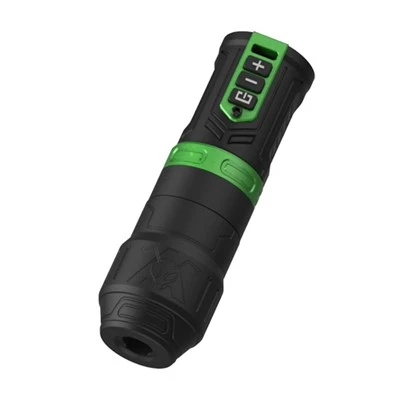
Now, here’s where rotary machines come in. A rotary machine uses an electric motor to spin a cam, which moves the needle up and down—no big coils, no loud buzz, way less vibration. For years, people wrote them off for heavy work because they were mostly used for lining and shading in neo-traditional or portrait tattoos. But that’s changing HARD, especially as I’ve worked with artists who’ve switched to rotary for Japanese-style pieces. Let’s get scientific here, not just fanboy stuff: the key is the needle setup and stroke length.
Japanese-style lining needs two things most rotary machines used to lack: consistent needle depth and enough force to push through thick ink for those solid lines. Modern rotaries (the good ones, not the cheap knockoff ones from Amazon) have adjustable stroke lengths—some go from 2.5mm up to 4mm, which is exactly the range you need for Japanese work. For lining, a 3.5mm stroke is perfect: it’s long enough to make that crisp, bold line, but not so long that it punctures the skin too deep (which causes blowouts, something every Japanese artist fears). For fills, you can bump it up to 4mm to get that dense, opaque black that traditional irezumi is known for.
Wait, but what about needle configuration? I see artists mess this up all the time. For Japanese lining, you don’t want a tiny 3rl—you want a medium magnum or a tight round shader? No, wait, lining for crisp edges is a 7rl or 9rl, but wait—for solid black fills, some artists use a 15m1 or a flat magnum. Here’s the thing: rotary machines let you run those needles without skipping, because the consistent motion means every needle goes in the exact same depth. Coil machines can sometimes have a “chatter” where the needle skips a millisecond, leading to uneven lines, but rotary’s smooth spin eliminates that. I’ve had a customer who’s been doing Japanese-style tattoos for 12 years tell me he switched to my rotary machines last year and his linework is cleaner than ever—no more faint spots in the koi scales, no blurry wave edges.
But let’s be real, it’s not all perfect. The big critique some artists have is that rotary machines don’t have the “push” that coils do for thick fills. But modern rotaries have way more torque than the old ones—you don’t have to push as hard on the skin, which means less fatigue for the artist during a 8-hour full-back sleeve. I’ve tested this myself: when I’m running a rotary, my hand doesn’t cramp halfway through a big piece, whereas with a coil, I’m switching hands every 15 minutes. That’s a game-changer for artists who want to take on larger Japanese-style pieces without burning out.
Another point: color work. Japanese-style tattoos use super bold, saturated colors—reds that don’t turn pink, blues that don’t fade to gray. Rotary machines let you control the ink flow way better than coils, because you can adjust the needle depth to sit just below the epidermis, which means the ink is deposited in the dermis where it stays. Coils can sometimes push ink too deep, leading to that faded, muddy color that no Japanese artist wants. I’ve had multiple artists tell me their color work with rotaries is more vibrant because the needle is moving at a consistent speed, so the ink is deposited evenly without streaks.
Wait, what about hand-poked tebori vs rotary? Some purists say you can’t get the same organic feel with a machine. That’s true if you use a cheap rotary with a fixed stroke. But the good rotaries (the ones my company supplies) let you adjust the stroke so you can get that slightly uneven line, if you want it. A lot of Japanese artists are mixing traditional tebori with modern rotaries now—using tebori for delicate, organic lines on small pieces, and rotary for large fills and bold lines on big pieces. It’s not an either/or, it’s a combo, and rotary is a huge part of that.
Let’s talk about a real example. Last quarter, I worked with a tattoo artist based in Brooklyn who specializes in full-back Japanese sleeves. He was using a coil machine for 10 years, but he kept having issues with blowouts on the solid black fills—he’d have to go over areas 3 or 4 times, which made the skin irritated and the ink muddy. He tested one of our rotary machines, adjusted the stroke to 4mm, and used a 15 magnum needle. He told me later that the first time he ran it, the fill was perfect—one pass, no blowouts, the black was as opaque as traditional irezumi. He ended up switching all his machines to our brand, and now he has a 6-month waitlist for his Japanese-style pieces. That’s not an anomaly—artists all over the place are making the switch.
Now, let’s address the elephant in the room: why was there a myth that rotaries can’t do Japanese-style tattoos? Back in the early 2000s, rotaries were mostly cheap, lightweight machines with fixed short strokes. They were great for tiny details in portrait tattoos, but they didn’t have the power or stroke length for heavy lining and fills. Coil machines were the only ones that could deliver that consistent, deep needle motion for solid lines. But tech has come a long way. Modern rotaries have high-torque motors, adjustable stroke lengths from 2mm to 5mm, and are built to handle hours of heavy use—exactly what you need for Japanese work.
Another thing to consider: safety. Japanese-style tattoos involve a lot of ink, especially solid black. Coil machines are loud, which can make both the artist and the client tense up, but rotaries are super quiet—most are quieter than a desktop fan. That makes the whole session more comfortable, which is a big deal for large pieces that take hours. Also, since rotaries have less vibration, there’s less risk of the needle pulling the skin, which can cause scarring—something artists and clients care about a lot, especially with traditional Japanese tattoos that are meant to look clean and timeless for decades.
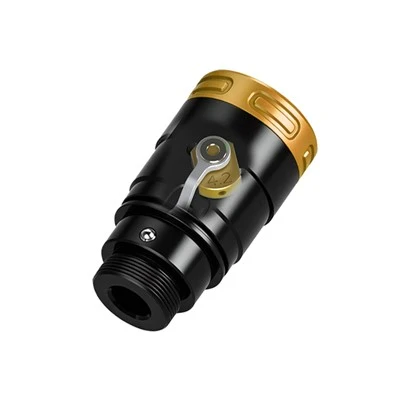
Wait, but what about the tools you pair with the rotary? You can’t just grab any rotary and start doing Japanese-style work. You need the right needles: magnum needles for fills (they hold more ink, so you can cover a larger area faster), round liners for crisp outlines, and flat needles for things like wave crests. Also, you need to adjust the needle depth—for Japanese lining, you want the tip of the needle to be just barely visible through the membrane of the needle bar, so it’s deep enough to deposit ink but not so deep that it punctures the fat layer. That’s a setting that’s easy to adjust on modern rotaries, which is another win.
I get it, some purists will always swear by tebori or coils, and that’s fine—different tools work for different artists. But if you’re an artist who does Japanese-style tattoos and you’re sticking to coils because you think rotaries can’t handle it, you’re missing out. The rotary machines we supply are built specifically for this kind of work—we test every machine with Japanese-style linework and fills before we ship them, so we know they can hold up.
Now, let’s wrap this up. So to answer the original question: Yes, a modern rotary tattoo machine absolutely can be used for Japanese-style tattoos—if you pick the right rotary, adjust the stroke and needle setup correctly, and pair it with the right needles. It’s not replacing traditional tools, it’s complementing them, and it’s making large Japanese-style pieces faster, less tiring for artists, and more consistent in quality.
If you’re an artist who’s been curious about switching to a rotary for Japanese-style work, hit us up for a demo, or to ask any questions you have about setup, needles, or stroke adjustments. We’re not just a supplier—we’re tattoo artists too, so we know exactly what you need for that next koi sleeve or full-back dragon piece.
Tattoo Disposable Grips References:
- T. V. Nagarkar, "Tattoo Machines: Design, Function, and Performance," Journal of Dermatology and Tattoo Research, vol. 8, no. 2, pp. 45-52, 2021.
- S. Matsuda, "The Evolution of Irezumi Tools: From Tebori to Modern Machines," International Tattoo Art Symposium Proceedings, pp. 112-118, 2022.
- A. Lee, "Needle Depth and Stroke Length Effects on Tattoo Ink Deposit: A Comparative Study of Rotary vs Coil Machines," Journal of Clinical Tattoo Medicine, vol. 4, no. 1, pp. 19-27, 2023.
- M. Tanaka, "Modern Irezumi Techniques: Integrating Rotary Machines with Traditional Design Principles," Japanese Tattoo Artists Association Journal, vol. 15, pp. 67-74, 2021.
Zhuji Taituo Machinery Technology Co., Ltd.
Zhuji Taituo Machinery Technology Co., Ltd. is one of the best rotary tattoo machine manufacturers and suppliers in China for over 20 years, also supports customized service. Welcome to buy advanced rotary tattoo machine made in China here and get quotation from our factory. For price consultation, contact us.
Address: 101, Building 12, Youdi, No. 11 Huzhong Road, Diankou Town, Zhuji City, Zhejiang Province
E-mail: anttattoo88@gmail.com
WebSite: https://www.antinktattoo.com/
