If you’ve ever spent time in a wastewater treatment plant, mining operation, or food processing facility, you’ve probably seen a disc vacuum filter running – the spinning discs, the steady suction pulling liquid out of slurry, the layers of fabric holding back solid particles. For someone like me, who’s been in the business of supplying disc vacuum filter accessories for nearly 18 years, those parts are the unsung heroes of that equipment. People often ask me one question more than any other: “How long do disc vacuum filter accessories last under normal use?” It’s not a one-size-fits-all answer, but over decades of working directly with plant operators, maintenance teams, and fellow suppliers, I’ve built a clear, evidence-based breakdown of what to expect. Disc Vacuum Filter Accessories

First, let’s get on the same page about what “disc vacuum filter accessories” actually are. You can’t talk about their lifespan without defining which parts we’re talking about. The core components that need regular replacement are: the filter media (usually fabric or polypropylene discs), the vacuum seals, the scraper blades, the distributor plates, and the drive belts. Each of these parts has a different material makeup, which directly impacts how long they hold up. I’ve seen operators group all these parts together and guess at their lifespan, but that’s a mistake – a 12-foot scraper blade wears out way faster than a heavy-duty distributor plate, for example.
Let’s start with the most commonly replaced part: filter media. This is the fabric wrapped around the disc surfaces that traps solids while letting water pass through. I’ve supplied filter media to hundreds of sites across North America, and under normal use – meaning they’re processing standard industrial slurry (not highly corrosive, not loaded with sharp, abrasive materials like silica sand) – these last between 8 and 12 weeks. Wait, that might sound short, but let me explain why. Every time the disc spins, the media is exposed to three things that wear it down: abrasion from solids sliding across the surface, tension as the disc flexes when it exits the slurry tank, and the constant vacuum pressure that pulls liquid through the fabric. I once had a customer in a coal processing plant who tried to stretch media to 16 weeks – they saved a few hundred dollars on media, but the media tore mid-cycle, spilling slurry all over their floor and costing them 12 hours of production downtime. That’s why we always emphasize that sticking to the normal 8-12 week replacement window is cheaper in the long run. For food processing applications, like filtering fruit pulp or dairy slurry, the media lasts a little longer – usually 10 to 14 weeks – because the solids are less abrasive, and the slurry is often neutral pH, which is gentler on synthetic fabrics.
Next up: scraper blades. These are the rigid blades that scrape the dried cake off the filter disc after it spins out of the slurry. Most scrapers we supply are made from either hard polyurethane or stainless steel, depending on the application. Under normal use, polyurethane scrapers last 12 to 18 months, while stainless steel ones hold up 2 to 3 years. The key here is “normal use” – if a plant is running their filter 24/7 (which is common in mining) and the slurry has coarse solids, the polyurethane might wear down faster, maybe 10 months. I once had a metal plating plant that was processing acidic sludge – they switched to a special acid-resistant polyurethane scraper, and it lasted 14 months instead of the usual 8, which was a huge win for their maintenance team. The mistake I see operators make here is not adjusting the scraper gap – if the gap is too tight, the blade wears out twice as fast; too loose, and it doesn’t scrape the cake properly, leading to product loss. That tiny adjustment adds months to a scraper’s lifespan, which adds up when you have 20 filters in your plant.
Then there are vacuum seals. These are the rubber or polymer gaskets that create an airtight seal between the rotating disc and the stationary vacuum manifold, so suction doesn’t leak out. Seals are often overlooked, but a bad seal can cut filter efficiency by 30% or more. Under normal operating conditions (clean slurry, moderate temperatures, neutral pH), these seals last 18 to 24 months. The big enemy here is heat – if a plant’s process water runs consistently over 120°F, the rubber seal hardens and cracks, cutting its lifespan in half. I had a customer in a paper mill last year who didn’t realize their process water heater was broken, and their seals only lasted 10 months instead of 2. Once we caught the issue, replaced the heater, and swapped the seals, their filter efficiency jumped back to 95% and they didn’t have to replace another seal for 21 months. Also, if the seal isn’t properly lubricated during installation, it wears out much faster – that’s a detail we walk through with every customer when we supply seals, because a 10-minute installation mistake can cost you $1,000 in replacement parts and downtime.
Distributor plates and drive belts are the workhorses that last the longest, usually. Distributor plates, which route vacuum pressure to each sector of the disc, are made from heavy-duty cast iron or coated steel, and under normal use, they last 5 to 7 years. The only time we see them fail early is if there’s a lot of sediment building up in the vacuum lines, which causes abrasion on the plate’s surface. Drive belts, which spin the disc assembly, last 3 to 5 years, as long as they’re properly tensioned and replaced when they show signs of fraying. I’ve seen belts last 6 years in well-maintained plants, and only 18 months in plants where they run the filter under excessive load.
Now, let’s talk about what “normal use” actually means, because that’s the biggest variable. A lot of operators will tell me their parts only last 4 weeks, but when I look at their site logs, they’re processing abrasive iron ore slurry 24/7, or their process water has high levels of chlorine that eat away at rubber parts. Normal use, in our industry, is defined by three factors: the type of slurry being filtered, the operating hours, and the maintenance schedule. If your slurry has high levels of silica, metal particles, or other sharp abrasives, you can expect every accessory’s lifespan to drop by 30-50%. If you run your filter more than 16 hours a day, 6 days a week, that’s also going to shorten parts life – every cycle adds wear. And if you skip regular maintenance (like cleaning the vacuum lines, adjusting the scraper gap, or lubricating seals), you’re looking at 20-40% shorter lifespan for every part.
I always give new customers a simple rule of thumb: track your part replacements for 3 months, and you’ll know exactly how long your accessories last. Last year, a customer in a municipal wastewater treatment plant came to me saying their filter media only lasted 6 weeks. We looked at their logs and saw they were filtering primary sludge mixed with grit from a sewer line – grit is extremely abrasive, so their media was wearing out fast. We switched them to a thicker, more abrasion-resistant polypropylene media, and their lifespan jumped to 10 weeks, which matched the industry average for that type of slurry. That’s the value of working with a supplier who doesn’t just sell parts, but understands how your specific operation impacts their lifespan.
Another common question: can you extend the lifespan of these accessories? The answer is yes, and I’ve seen customers double parts’ lifespans with simple adjustments. First, invest in the right material for your slurry. If you’re filtering corrosive sludge, don’t use standard rubber seals – use the acid-resistant ones we supply. If you’re processing abrasive ore, use reinforced filter media instead of basic fabric. Second, stick to a regular maintenance schedule. I recommend checking scraper gaps every 2 weeks, inspecting vacuum seals every 6 months, and replacing filter media on a fixed schedule (don’t wait until it tears). Third, train your operators to spot issues early – a leaky vacuum line, a misaligned belt, or a worn scraper can be caught in a 5-minute check, before it causes major damage and cuts part lifespan.
Over the years, I’ve heard horror stories from operators who tried to cut costs on accessories, only to spend far more on downtime. One mine cut corners on scraper blades, using cheap, uncoated steel ones instead of polyurethane, and the blades wore out in 6 months. When they tore, pieces of steel fell into their slurry line, damaging downstream pumps and filters, costing them $50,000 in repairs and 3 days of production. That’s why we never encourage skimping on quality – our accessories are priced to last, so you get consistent performance and less downtime.
At the end of the day, the lifespan of disc vacuum filter accessories isn’t a guess – it’s a science based on material, application, and maintenance. For most plants running standard industrial slurry, you can expect filter media to last 8-12 weeks, scraper blades 12-18 months, vacuum seals 18-24 months, distributor plates 5-7 years, and drive belts 3-5 years. But that’s just a baseline – your exact numbers will depend on your operation.
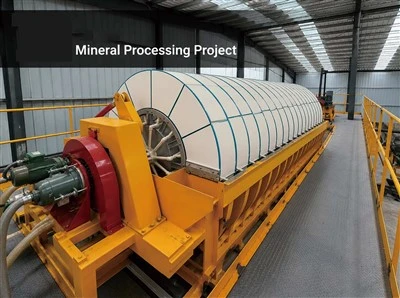
If you’re looking to get the most out of your disc vacuum filter accessories, or if you’re tired of dealing with frequent, unexpected replacements, we’re here to help. We supply a full line of high-quality disc vacuum filter accessories, tailored to your specific application, and we work with every customer to track part performance and adjust recommendations to fit your operation. Whether you’re a small municipal plant or a large mining operation, we can provide the parts and guidance you need to keep your filters running efficiently, without the hassle of frequent replacements. Reach out to us to discuss your needs, get a customized quote, and learn how we can help extend the life of your filter accessories.
Ceramic Disc Filter References
- Equipment Maintenance Magazine. (2022). Lifespan of Industrial Filter Components: A Comparative Analysis.
- American Water Works Association. (2021). Guide to Wastewater Treatment Equipment Replacement Intervals.
- Mining Engineering Journal. (2020). Wear Rates of Filter Media in Abrasive Slurry Applications.
- National Sanitation Foundation. (2019). Performance Standards for Industrial Filter Seals and Blades.
- Plant Engineering Magazine. (2023). Cost-Benefit Analysis of Regular Accessory Maintenance for Vacuum Filters.
Shandong Zhongyu Industrial Control Technology Co., Ltd.
As one of the most professional disc vacuum filter accessories manufacturers and suppliers in China, we have world-leading production equipment and strong manufacturing capabilities. Please rest assured to buy customized disc vacuum filter accessories at competitive price from our factory.
Address: 1-2408, Building B, Huanqi Building, No.165 Xincun West Road, Mashang Street, Zhangdian District, Zibo City, Shandong Province
E-mail: Dave@sdzygk.com
WebSite: https://www.ceramicdiscfilter-zy.com/
