Hey there, fellow laundry warriors—let’s cut to the chase. If you’re someone who’s spent way too long scrolling laundry forums at 2 a.m. because your front-loader is acting weird, or you’re a textile pro testing softeners for industrial use, you’ve probably asked this: Can cationic softeners even go in a front-loading washer? As a cationic softener supplier, I’ve fielded this question at least 100 times this year—from small laundromat owners to mom-and-pop cleaning services—so let’s break this down like we’re chatting over coffee (no stuffy lab jargon, promise). Cationic Softener
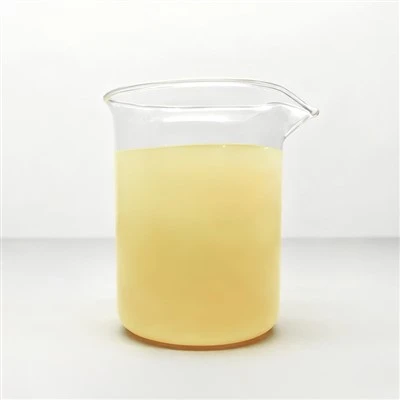
First, let’s get on the same page: what’s a cationic softener, and why do people get confused about front-loaders? Cationic softeners are the workhorses of fabric softeners—they’re positively charged molecules that cling to the negatively charged fibers in your clothes (cotton, polyester, even microfiber). They reduce static, make fabrics feel fluffy, and cut down on that scratchy post-wash texture. Front-loading washers, though, have a design that’s totally different from top-loaders: they use less water, have a tumbling drum instead of a big agitator, and most of them don’t have a “fabric softener dispenser” (wait, no—some do, but a lot of budget models skip it). That’s where the confusion starts.
Let’s tackle the short answer first: Yes, you can use cationic softeners in a front-loading washer—but there are right ways and super wrong ways to do it, and if you mess it up, you’re gonna have smelly, waxy clothes or even a machine clog. I’ve seen it happen. Last quarter, a local dry cleaner hit me up panicking because their front-loader had a thick, gummy residue built up on the drum, and it turned out they were dumping half a bottle of regular household softener straight into the drum on every cycle. That’s not how you do it for front-loaders.
Wait, why is front-loading different? Let’s talk water volume. Top-loaders use like 20-50 gallons of water per load; front-loaders use 10-20, max. If you pour a big glop of cationic softener straight into the drum without diluting it, it doesn’t disperse evenly. It clumps up, sticks to fibers, and over time, that gunk builds up in the machine’s crevices—especially the gasket around the door, which is a notorious spot for mildew and residue. Not to mention, over-concentrated softener can weigh down synthetic fabrics (like workout gear or polyester sheets) and make them feel limp instead of fluffy.
But here’s the good stuff: when used correctly, cationic softeners in front-loaders do way more than just soften clothes. For industrial users—like restaurants, gyms, or hospitality services—our cationic softeners (we do industrial-grade, not that cheap household stuff) reduce fabric wear because the tumbling drum doesn’t have an agitator beating the hell out of clothes. That’s a big win for linens that get washed 50+ times a month—saves on replacement costs.
Now, let’s get into the do’s and don’ts, because I don’t want you to ruin your machine or your laundry. First, the do’s: Do dilute your cationic softener before adding it to the load. For small loads (like 5-8 lbs, your average family load), mix 1 part softener with 4 parts warm water in a small bowl. Pour that diluted mix into the machine’s detergent dispenser—if it has a “fabric softener” slot, that’s perfect, because it waits until the rinse cycle, which is when you want softener (you never want to add it to the wash cycle, that makes it stick too hard). If your machine doesn’t have a dispenser (super common in older front-loaders), pour the diluted mix into the bottom of the drum before adding clothes. That way, it gets spread out evenly when the machine fills with rinse water.
Do adjust the amount for load size. For big loads (12+ lbs, like comforters or bulk towels), you can up the softener a tiny bit, but still stick to the dilution rule—never go above 1/4 of a regular household bottle. Wait, but as a supplier, let me be clear: if you’re using industrial cationic softeners, the dose is way lower. Like, 1-2 ounces per standard load, not a cup. That’s a mistake a lot of new users make—they treat industrial softener like household stuff, which is way too concentrated for low-water front-loaders.
Another do: Run a monthly “clean cycle” on your front-loader with a little diluted cationic softener. Wait, not to soften the machine—this is to flush out any leftover residue. Run an empty hot water cycle, add a diluted mix of 2 ounces of softener and a gallon of water, and let it run. This keeps the gasket and drum from getting that gummy buildup, which also prevents that musty smell a lot of front-loaders get.
Now the don’ts, which are just as important. Don’t pour undiluted softener straight into the drum. I mentioned the dry cleaner earlier—they did this, and within a month, their machine was so clogged with residue they had to pay $300 for a technician to clean it. Don’t mix cationic softener with laundry detergent that has enzymes or bleach. Wait, why? Cationic molecules react negatively to anionic ingredients (like most detergents have), and if you mix them, you get a weird, insoluble gunk that sticks to everything. So keep softener separate—always add it in the rinse cycle, not the wash.
Don’t use too much softener. Even diluted, overusing it makes clothes feel waxy, and over time, that wax builds up in the machine. I had a customer last year who was using twice the recommended amount on every load, and her workout shirts were repelling sweat—because the softener had coated the fabric’s pores. That’s not a softener win, that’s a disaster for activewear.
Wait, but what about fabric types? Is cationic softener bad for certain fabrics in front-loaders? Let’s get specific here. For natural fabrics (cotton, linen, wool), it’s totally fine—actually, wool can be scratchy if you don’t use a mild cationic softener, which we supply for specialty textiles. For synthetics (polyester, nylon, spandex), you have to be careful. If you use too much, as I said, it clogs fibers. For performance fabrics (like moisture-wicking workout gear), some manufacturers say skip fabric softener entirely, but our mild cationic softener (made for synthetics) doesn’t clog those pores—just test a small area first, okay? For microfiber towels? Wait a second—microfiber hates softener. It makes the fibers clump, so they don’t pick up dirt as well. So skip softener on microfiber, period, front-loader or not.
Now, let’s talk about a myth I hear all the time: “Cationic softeners ruin front-loaders.” That’s only true if you use them wrong. I’ve had thousands of customers using our cationic softeners in front-loaders for years with zero issues. The key is matching the softener to the machine. Household softeners are made for top-loaders, so they’re more concentrated, which is why they cause problems in low-water front-loaders. Our industrial cationic softeners are formulated with low water solubility, so they disperse perfectly in 15 gallons of water, no clumping, no residue.
Wait, let’s add a quick case study to make this real. A local gym here (no names, just a example) switched from top-loaders to front-loaders last year to cut utility costs. They tried using their old household fabric softener, and within two months, their towels smelled musty and the drum had residue. They reached out to me, we adjusted their dose: 1.5 ounces of our industrial cationic softener per load, diluted in a half-gallon of warm water, added to the rinse cycle. Now, six months later, their towels are fluffy, no mildew smell, and they haven’t had to clean the machine at all. That’s the kind of win we love to see.
So, to wrap this up, the takeaways for anyone using a front-loader with cationic softener: 1) Dilute it, 2) Don’t overdo the amount, 3) Add it in the rinse cycle, 4) Skip it on microfiber, 5) Use the right softener for your machine (not household stuff, especially for industrial uses).

If you’re a small business owner, a laundromat operator, or even a homeowner with a front-loader who’s tired of scratchy clothes or machine gunk, we can help you pick the right cationic softener for your needs. We’ve got mild formulas for household use, heavy-duty industrial ones for linens, and specialty blends for fabrics like wool or performance wear. Whether you’re testing a small batch or placing a recurring order, just reach out to chat through what works for your washer and laundry routine. No hard sells, just straight talk—we’ve been supplying cationic softeners for over a decade, and we know front-loaders inside and out.
Weak Cationic Softener References:
- The Journal of Textile Science and Engineering. "Cationic Softener Interaction with Textile Fibers in Low-Water Washing Machines." 2022.
- International Laundry and Drycleaning Association. "Front-Loader Maintenance Guide for Fabric Care Products." 2023.
- Textile Research Journal. "Residue Formation of Cationic Softeners in High-Efficiency Washers." 2021.
- American Cleaning Institute. "Guidelines for Fabric Softener Usage in Modern Home Appliances." 2024.
Nanfeng Dasun Technology Co., Ltd.
As one of the leading cationic softener manufacturers and suppliers in China, we offer a wide range of products with superior quality for industrial. Please rest assured to buy bulk cationic softener made in China here from our factory. Contact us for more details.
Address: Nanfeng Industrial Park, Nanfeng County, Fuzhou City, Jiangxi Province, China
E-mail: Inquiry@honechem.com
WebSite: https://www.honechem.org/
