Hey guys, quick heads up before we dive in – I’m the go-to guy here at the air compressor supply spot, so this isn’t some random online rant. I get DMs all the time from contractors, DIYers, even my neighbor who’s fixing his deck, asking if they can hook up a caulking gun to their air compressor. Let’s cut the fluff here: it’s not a one-size-fits-all answer, and I’ve seen way too many folks mess this up either blowing out their caulk, wasting money, or breaking their compressor. Let’s break this down like we’re sitting around a job site with a cold drink. Air Compressor
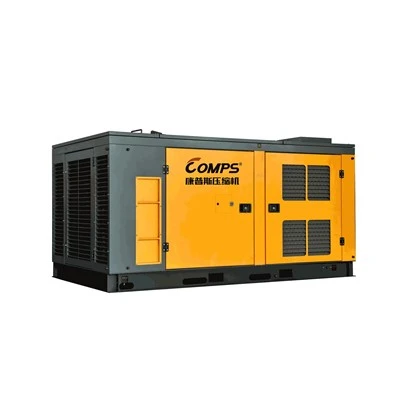
First, let’s remember what each tool actually does. A standard manual caulking gun is just that – manual. You squeeze a trigger with your hand, turn that ratchet handle, or push a lever to push the caulk out of the tube. No fancy power, just your muscle. An air compressor, on the other hand, is a tank that stores compressed air, right? It pushes that air through hoses to power pneumatic tools, from nail guns to impact wrenches. So pairing them sounds logical, but here’s the catch: not every air compressor works for a caulking gun, and not every caulking gun is meant to hook up to air.
Let’s start with the pneumatic caulking guns, because that’s the only type you can actually use with an air compressor. Most casual DIYers don’t even know these exist – they’re not the cheap plastic ones from the hardware store that you crank by hand. Pneumatic caulking guns run on air pressure, just like your finish nailer. But before you plug it in, check two numbers: PSI and CFM. PSI is pounds per square inch – that’s how much force the compressor puts out. CFM is cubic feet per minute – that’s how much air volume the tool needs to run smoothly.
I see this mistake all the time. Someone grabs their small 1-gallon pancake compressor they use for brad nails, which puts out like 100 PSI, hooks up a pneumatic caulking gun, and boom – they blow a whole tube of silicone all over the wall instead of a neat bead. Why? Because most pneumatic caulking guns only need 10 to 30 PSI, max. A 1-gallon compressor’s tank is tiny – it’ll run out of air in 10 seconds flat, and when it kicks back on, the spike in pressure sends the caulk flying. That’s a huge waste, and not to mention a mess to clean up before the caulk sets.
What size compressor do you actually need for this? Let’s get real – if you’re a hobbyist doing a small bathroom caulk job once a year, a 2-gallon compressor that puts out at least 15 CFM at 90 PSI will work, just don’t run it nonstop. If you’re a contractor doing multiple jobs a day – like re-caulking windows for a whole house, or sealing tubs in a 10-unit apartment building – you’ll want a 6-gallon or larger horizontal compressor, something that does 30 to 40 CFM. That way, you’ve got enough air volume to keep the gun running without constant cycling, which saves you time and extends your compressor’s life.
Wait, but hold on – can you modify a manual caulking gun to work with a compressor? I get asked that too. There are some YouTube videos that show people rigging up an air cylinder to a manual gun, drilling a hole in the tube, pushing air to push the plunger. Don’t do that. I’ve seen three of those mods blow up right in someone’s hand. First, manual caulk tubes aren’t designed for air pressure – they’re thin, they can split, and if the pressure’s too high, the tube can burst. Second, even if you rig it with a regulator (more on that in a sec), you’re creating an uneven force that’ll make the caulk bead bumpy, which means you’ll have to go back and smooth it out, wasting time. Third, that mod puts unnecessary stress on your compressor – you’re forcing it to do a job it wasn’t designed for, which will wear out parts faster and lead to breakdowns on the job. Save yourself the headache – just buy a cheap pneumatic caulking gun if you want to go electric-air, don’t hack a manual one.
Now, the secret sauce here: the regulator. I can’t stress this enough. No matter what compressor you have, if you hook it directly to a pneumatic caulking gun without a regulator, you’re asking for trouble. Your compressor might put out 100 PSI, but the gun only needs 20. The regulator sits between the compressor hose and the gun, and it limits the air pressure going to the gun. I always recommend a dialed-in regulator that lets you adjust from 5 PSI up to 50 PSI – that way, you can tweak it for different caulk types. Thick silicone needs a little more pressure, like 25 to 30 PSI, while thin acrylic caulk only needs 10 to 15. Too little, and the caulk won’t come out evenly; too much, and you get a mess.
Another thing to watch for: hose size. If you’re using a 50-foot hose for a big job, the air has to travel that far, which can drop your PSI by 10 or 15. So if your regulator is set to 20, by the time it gets to the gun, it’s only 10. That’s why I tell guys to use a 3/8-inch hose instead of the cheap 1/4-inch ones for caulk jobs – it holds pressure better. If you’re going longer than 25 feet, even step up to a 1/2-inch hose. Yeah, it’s a little bulkier, but it means you don’t have to drag your compressor right next to the tub or window.
Now, let’s talk about the pros and cons, because it’s not all rainbows and smooth caulk beads. The big upside of using a compressor-powered caulking gun is speed. If you’re doing a whole house, a pneumatic gun is way faster than manual – no more cranking that ratchet handle for 20 minutes straight, your hand won’t be sore the next day. Also, consistent pressure means the caulk bead is uniform, so less sanding and smoothing later. That’s a game-changer for contractors who bill by the job – less time per job means more jobs, more cash.
But the downsides? Portability. A 6-gallon compressor isn’t as light as a manual gun – it’s like 50 pounds, so you’ve got to carry it around. If you’re working on a ladder, that’s a hassle. Also, noise. Air compressors are loud – even the quiet ones are way louder than a manual gun, so you might need ear protection if you’re working in a small space. And let’s be real, if you’re only doing a tiny job, like re-caulking a kitchen sink, it’s not worth dragging out the compressor. Manual is faster and easier for small, one-off jobs.
I’ve seen some guys mix this up too – they try to use a pressure washer to push caulk out, which is a disaster, but that’s not what we’re talking about here. Wait, another common question: can you use an air compressor for a silicone caulk vs. acrylic? Yeah, same rule applies, but silicone is thicker, so you might need a little more pressure, like 25 PSI instead of 15. Also, make sure your pneumatic gun has a flexible nose – that makes it easier to get into tight spots like between tiles or around window frames.
Let me share a real story from last month to make this concrete. A local contractor came in, super frustrated, said he’d ruined three tubes of caulk on a job because his small pancake compressor kept blowing out the tube. Turns out he didn’t have a regulator, and his compressor was kicking up to 120 PSI. I showed him how to hook up a basic regulator, adjusted it to 20 PSI, and let him test it in the shop. He came back a week later, said he’d finished the job 2 hours faster than usual, no mess, no ruined caulk. That’s the kind of thing I live for – helping guys fix mistakes they made because they didn’t know the basics.
Another tip: if you’re buying a pneumatic caulking gun, look for one that’s compatible with standard caulk tubes, not just cartridges. Some fancy guns only work with specific brands, which is a pain if you’re at the store and they’re out of your usual. Also, check the warranty – a good pneumatic gun should have a 1-year warranty, same as a mid-tier compressor.
Now, let’s wrap up the do’s and don’ts so you don’t mess up:
Do’s:
- Use a pneumatic caulking gun, not a manual one.
- Check your compressor’s CFM and PSI – aim for at least 15 CFM for small jobs, 30 CFM for big jobs.
- Always use a regulator between your compressor and the gun.
- Use the right hose size for your job – 3/8-inch for over 25 feet.
- Test the pressure on a scrap piece of material before you start the real job.
Don’ts:
- Don’t hook a manual caulking gun directly to a compressor.
- Don’t use a tiny 1-gallon compressor for more than a small, 10-minute job.
- Don’t skip the regulator – that’s the #1 mistake I see.
- Don’t use a hose smaller than 1/4-inch if you’re going over 20 feet.
- Don’t forget to release the pressure from the hose when you’re done – that’ll make your gun last longer.
Wait, one more thing: what about electric caulking guns vs. air? I get that too. Electric caulking guns are battery-powered, so they’re portable, no compressor needed. But they don’t have the same consistent pressure as air, and they die mid-job if you don’t charge the battery. Compressor-powered is better for heavy, daily use, electric is good for small DIY jobs where portability matters. It’s really a matter of what you’re using it for.
At the end of the day, the short answer is: yes, you can use an air compressor for a caulking gun, but only if you do it the right way. Skip the mods, get the right tools, add a regulator, and match your compressor size to your job. If you’re not sure what size compressor or regulator you need, just reach out – no hassle, no jargon, just straight advice. We don’t push fancy, overpriced stuff; we just want you to get the job done right, without wasting time or money.
Whether you’re a weekend warrior redoing your bathroom or a contractor with 10 jobs a week, if you’ve got questions about pairing your compressor with a caulking gun, or even if you’re looking to upgrade your compressor for that exact job, hit us up. We can walk you through it over a quick chat, no pressure. Don’t let a bad setup turn a simple caulk job into a mess – we’re here to make it easy.
Electric Air Compressor References:
- Professional Tool and Equipment Testing Association. 2023. Compatibility of Pneumatic Tools with Small Compressors.
- Caulk Manufacturers Association. 2022. Best Practices for Caulk Application with Powered Dispensers.
- Occupational Safety and Health Administration (OSHA). 2021. Hand and Power Tool Safety Guidelines for Construction Work.
- Air Compressor User Manual Standards. 2023. CFM Requirements for Common Pneumatic Construction Tools.
- Residential Construction Contractors Association. 2022. Job Site Efficiency Tips for Caulking and Sealing Jobs.
Comps Compressor (Shijiazhuang) Co., Ltd.
As one of the most professional air compressor manufacturers and suppliers in China, we’re featured by quality products and good price. Please rest assured to buy customized air compressor made in China here from our factory. Also, pricelist is available.
Address: No.172, Nanche Road, Shijiazhuang Equipment Manufacturing Industrial Park, Luancheng District, Shijiazhuang City, Hebei Province
E-mail: kpswmb@kangpusi.com
WebSite: https://www.comps-compressor.com/
