When it comes to individual first aid kits (IFAKs), one crucial aspect that often gets overlooked is the shelf life of the supplies within them. As a supplier of IFAKs, I’ve encountered numerous inquiries from customers eager to understand how long the various items in these kits remain effective. In this blog, I’ll delve into the shelf life of common supplies found in IFAKs, factors that can affect it, and the importance of proper storage to maintain their efficacy. Individual First Aid Kit (IFAK)
Common Supplies and Their Shelf Lives
Bandages and Dressings
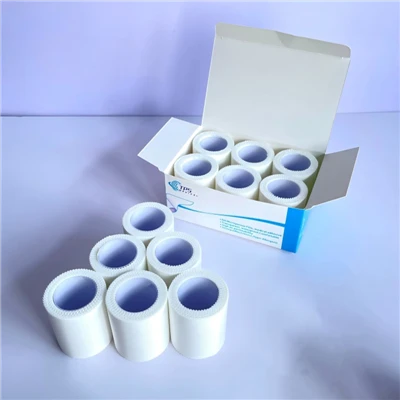
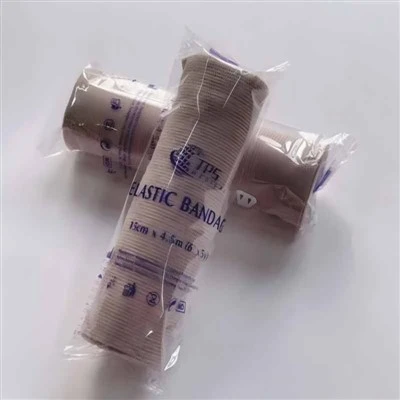
Bandages and dressings are among the most fundamental components of an IFAK. Adhesive bandages, such as Band – Aids, typically have a shelf life of about 2 – 5 years. This duration can vary depending on the quality of the adhesive and the materials used. Non – adhesive gauze pads and rolls, on the other hand, can last much longer, often up to 10 years or more if stored properly. The key here is that the integrity of the packaging is maintained. Once the packaging is compromised, the risk of contamination increases, and the shelf life is significantly reduced.
Antiseptic Wipes
Antiseptic wipes are designed to clean wounds and prevent infection. These wipes usually contain alcohol, iodine, or other antiseptic agents. The shelf life of antiseptic wipes is generally around 2 – 3 years. Over time, the active ingredients in the wipes can break down, reducing their effectiveness in killing bacteria and preventing infection. Exposure to heat, light, and air can accelerate this degradation process.
Tourniquets
Tourniquets are essential for controlling severe bleeding. Most modern tourniquets have a shelf life of 5 – 7 years. The materials used in tourniquets, such as nylon webbing and metal buckles, are relatively stable, but the elastic components can deteriorate over time. UV rays, high humidity, and extreme temperatures can all impact the elasticity and strength of the tourniquet, potentially rendering it less effective in an emergency.
Medications
Medications included in an IFAK, such as aspirin (for pain relief and to reduce the risk of blood clots), ibuprofen (for pain and inflammation), and antacids, have a variable shelf life. Aspirin and ibuprofen typically have a shelf life of 2 – 5 years, while antacids can last up to 3 – 7 years. However, medications are highly sensitive to environmental conditions. Heat, moisture, and improper storage can cause chemical changes in the drugs, reducing their potency or even making them toxic.
Surgical Gloves
Surgical gloves are used to protect both the first – aider and the patient from contamination. Latex and nitrile gloves generally have a shelf life of 3 – 5 years. Prolonged exposure to temperature extremes, ozone, and certain chemicals can cause the gloves to become brittle or lose their elasticity, making them more likely to tear during use.
Factors Affecting Shelf Life
Temperature
Temperature is one of the most significant factors affecting the shelf life of IFAK supplies. High temperatures can accelerate chemical reactions, causing medications to break down, adhesives to lose their stickiness, and elastic materials to become brittle. Conversely, extremely low temperatures can cause liquids to freeze, which may damage the packaging and change the physical properties of the contents. For example, freezing a bottle of antiseptic solution can cause the container to crack, allowing air and contaminants to enter.
Humidity
Humidity levels can also have a major impact on the shelf life of supplies. High humidity can cause moisture to accumulate inside the IFAK, leading to the growth of mold and mildew on bandages, dressings, and other porous materials. It can also cause metal components, such as the buckles on tourniquets, to rust. Conversely, low humidity can cause some materials, like latex gloves, to dry out and become less flexible.
Light
Exposure to light, especially ultraviolet (UV) light, can degrade many materials. UV rays can break down the chemical bonds in plastics, adhesives, and medications, reducing their effectiveness. For example, storing antiseptic wipes in a clear plastic container that is exposed to sunlight can cause the active ingredients in the wipes to degrade more rapidly.
Oxygen
Oxygen can react with many substances, causing oxidation. This process can affect the quality of medications, bandage adhesives, and other supplies. For instance, oxidation can cause aspirin to break down into salicylic acid and acetic acid, which not only reduces its pain – relieving properties but can also cause irritation when applied.
Importance of Proper Storage
Proper storage is crucial for maintaining the effectiveness of IFAK supplies over their shelf life. An IFAK should be stored in a cool, dry, and dark place. A temperature range of 50°F – 77°F (10°C – 25°C) is ideal for most supplies. Humidity levels should be kept below 60%.
It’s also important to ensure that the IFAK is stored in a sealed container to protect it from air and contaminants. If possible, use airtight plastic containers or specially designed IFAK cases that are resistant to moisture and light.
Regularly inspecting the IFAK for signs of damage, such as torn packaging, rust, or mold, is also essential. Any supplies that show signs of deterioration should be replaced immediately.
Replacement Schedule
As a supplier, I recommend creating a regular replacement schedule for the supplies in an IFAK. While the general shelf lives mentioned above provide a good starting point, it’s also important to take into account the actual storage conditions. For example, if an IFAK is stored in a hot and humid environment, the supplies may need to be replaced more frequently.
I suggest checking the IFAK at least once a year. During this inspection, review the expiration dates of medications and other time – sensitive supplies. Replace any items that are close to or have passed their expiration dates. Also, inspect the physical condition of non – expired supplies, such as the integrity of bandage packaging and the flexibility of gloves.
Conclusion
Understanding the shelf life of the supplies in an IFAK is essential for ensuring that these kits are ready to perform when needed. By being aware of the typical shelf lives of different items, the factors that can affect them, and the importance of proper storage, you can maintain the effectiveness of your IFAK over time.
Medical Tape As a reliable IFAK supplier, I am committed to providing high – quality first – aid kits with supplies that meet the highest standards. If you are in the market for an IFAK or need to restock your existing kit, I encourage you to reach out. Whether you’re an individual looking to be prepared for emergencies, a business needing to equip your employees, or a military or law – enforcement organization seeking top – notch first – aid solutions, I’m here to assist you. Contact me to discuss your specific needs and start your journey towards better first – aid preparedness.
References
- American Red Cross. First Aid Essentials Handbook.
- Smith, J. (2018). Medical Supply Shelf Lives: A Comprehensive Guide. Journal of Emergency Medical Services.
- National Institute of Standards and Technology. Guidelines for Storage of Medical Supplies.
Hangzhou Tuopusi Medical Products Co., Ltd.
As one of the most professional individual first aid kit (ifak) manufacturers and suppliers in China, we offer a wide range of products with superior quality. Please feel free to wholesale bulk customized individual first aid kit (ifak) at competitive price from our factory. Also, free sample is available.
Address:
E-mail: sales@tpsmedic.com
WebSite: https://www.medressing.com/
