If you’ve ever walked a city square, a museum gallery, or a public park and paused at a bronze statue—say, a 19th-century general on horseback, a playful 20th-century sculptor’s tribute to a working community, or a small memorial plaque honoring a local hero—you might have noticed subtle signs of wear: a chipped edge on a raised hand, a dull, crusty patch where the patina rubbed thin, or a faint crack running along a leg or a tool held in the figure’s grip. As a bronze statue supplier with 12 years in the trade, I get asked this question constantly, both by private collectors, small-town parks departments, and historical societies: “Can bronze statues be repaired, or are they too far gone to save?” Bronze Statue
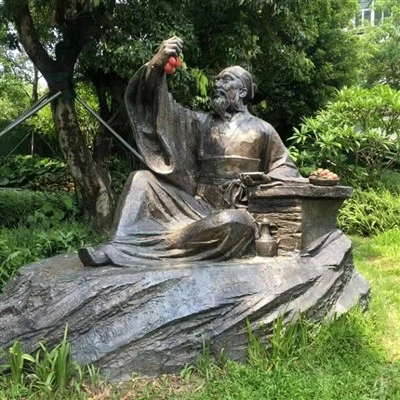
The short answer is yes—most of the time, they can be repaired. But that answer comes with a lot of nuance, and it’s not a one-size-fits-all fix. The process depends on why the statue is damaged, what it’s made from, and how long it’s been exposed to the elements. Over the years, I’ve worked on repairs that ranged from a small 6-inch bronze dog statue with a snapped tail to a 7-foot World War I memorial that had lost half its right forearm to a falling tree. What I’ve learned is that repairing a bronze statue isn’t just about gluing broken pieces back together—it’s about honoring the statue’s original intent, its material makeup, and the history it carries.
First, let’s talk about why bronze wears out in the first place. Bronze is an alloy, mostly copper and tin, with small amounts of other metals like zinc or lead depending on when and where it was cast. That combination is durable, which is why bronze has been used for statues for more than 5,000 years—from ancient Greek warriors to modern public art. But it’s not invincible. The two biggest threats to bronze are corrosion and physical impact.
Corrosion is a slow, quiet process. When bronze is exposed to moisture, salt (especially near coastlines or in winter, when roads get salted), and pollution, it reacts to form a patina. A healthy patina is the thin, rich, colored layer—usually green, brown, or even black—that develops over time. That patina is actually protective; it seals the underlying metal from further corrosion. But if moisture gets trapped under a damaged patina, it can eat into the bronze, causing a condition called bronze disease. That’s a big one. Bronze disease is caused by chloride ions, often from polluted air, coastal fog, or even hand oils from people touching the statue regularly. It creates powdery, crumbly spots that spread fast, and if left untreated, they can break down the metal from the inside out. I once had a client bring in a 100-year-old bronze fountain figure that had small bronze disease spots on its base; by the time we got to it, the disease had eaten through half the base, and we had to rebuild the entire lower section.
Then there’s physical damage. That can happen from a storm, a car crashing into a pedestal, a child climbing on a statue and breaking a limb, or even vandalism where someone tried to pry a part off with a tool. I’ve seen statues with snapped arms, chipped heads, cracked pedestals, and even parts that were stolen to melt down for scrap (though modern anti-scraping laws have cut that down a lot, especially in places where public art is closely monitored).
Now, the repair process—what does it actually involve? It starts with a thorough assessment. When a customer brings a damaged statue to me, the first step is to clean it gently. No harsh chemicals here; we use mild, pH-neutral cleaners to remove dirt and loose debris without damaging the existing patina or the sound metal beneath. For bronze disease, we have to treat the infected areas first. That usually means drying out the affected spots, applying a chemical inhibitor to stop the corrosion, and in severe cases, removing the crumbling metal and rebuilding it.
For broken or missing pieces, that’s where the real craft comes in. Bronze is a cast metal, so when we repair a break, we have to match not just the shape but the weight, the texture, and the patina of the original. It’s not as simple as welding a new piece on—welding can create too much heat, which distorts the metal and changes its color. For small breaks, we use a process called cold joining, where we use a specialized epoxy that’s strong enough for outdoor exposure, and then we work to blend the epoxy so it’s invisible. For larger breaks, like the snapped forearm on that WWI memorial, we might use a low-temperature bronze welding process that adds just enough heat to fuse the new bronze piece without warping the rest of the statue.
Once the pieces are joined, the next step is matching the patina. This is arguably the most important part of a good repair. If you have a new bronze piece next to an old, weathered patina, the repair will stick out like a sore thumb. We mix patina solutions—often heat-activated, sometimes chemical—to match the color, texture, and even the slight unevenness of the original. For example, a statue that’s been in a Midwestern park for 80 years might have a mix of deep green in the crevices and brown on the raised surfaces, from sun exposure and rain washing off the lighter patina. Our job is to replicate that exactly on the repaired area so it looks like it was always part of the statue.
Now, not all damage is repairable. There are a few cases where we have to be honest with customers and say it’s best to leave the statue as is, or only do light cosmetic repairs. If a statue has extensive bronze disease that’s eaten through most of the metal, for example, there’s not enough sound material left to repair. Or if a statue was made of a low-quality bronze alloy—something with a lot of lead or very little tin—from the mid-20th century, it might be more fragile and prone to breaking beyond repair. Even then, we usually offer options: sometimes we can make a replica of the statue for the customer, or help them preserve what’s left of the original.
Another thing I’ve learned over the years is that many people think repairing a bronze statue is prohibitively expensive, but that’s not always the case. Small repairs—like fixing a 4-inch chipped finger on a garden statue—can cost a few hundred dollars. Larger projects, like repairing a life-sized public statue, might run into thousands, but compared to the cost of a new bronze statue (which often starts at $10,000 for a small custom piece and goes way up for life-sized works), repair is almost always a more affordable, sustainable option. It’s also better for history: a 100-year-old statue has stories that a new replica can’t replicate.
I also want to touch on something that comes up a lot with private collectors: preserving the original patina vs. repairing the damage. Some collectors want their statues to look “perfect,” like they just came out of the foundry. But most of the time, the weathered patina is part of the statue’s character. A bronze statue that’s sat in a public square for 70 years has absorbed the city’s history—rain, snow, the hands of passersby, even the subtle pollution of the time. Repairing it shouldn’t erase that; it should restore the statue so it can keep telling its story for another 70 years.
If you’re a city official, a historical society curator, or a private collector with a bronze statue that’s damaged, the first step is to document the damage clearly—take photos from multiple angles, note where the cracks or chips are, and tell us as much as you can about the statue’s history (when it was cast, where it’s been displayed, any past damage). Then, when you work with a bronze supplier like me, we can give you a realistic assessment of what’s repairable, what the process will involve, and what to expect in terms of cost and timeline.
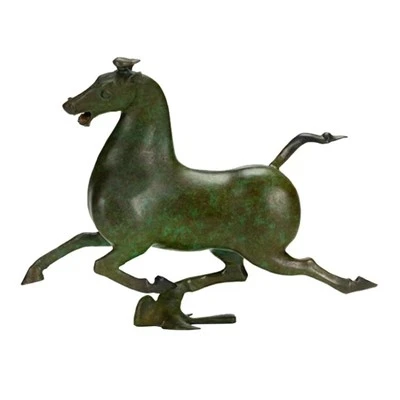
At the end of the day, bronze statues are more than just metal. They’re markers of community history, tributes to people and events that matter, and works of art that are meant to be enjoyed for generations. Being able to repair them means we get to save those stories, not just the metal itself. If you have a bronze statue that’s in need of repair, or if you’re looking for custom bronze work that’s built to last for decades, feel free to reach out to us to discuss your project. We’re here to answer your questions, walk you through the process, and make sure your statue gets the care it deserves.
Outdoor Bronze Sculpture In The Park References
- LaMarche, V. (2013). The Conservation of Bronze Sculpture. Routledge.
- Scott, D. A. (2002). Metallography and Microstructure of Ancient and Historic Metals. Archetype Publications.
- American Institute for Conservation of Historic and Artistic Works. (2020). Guidelines for the Treatment of Bronze Sculpture.
Huizhou Hexin Intelligent Manufacturing Industrial Co., Ltd.
Huizhou Hexin Intelligent Manufacturing Industrial Co., Ltd. is one of the most professional bronze statue manufacturers and suppliers in China. Please feel free to buy the newest bronze statue made in China here and get pricelist from our factory. All customized products are with high quality and competitive price.
Address: No.31, Second Industrial Zone, Nankeng Village, Xinxu Town, Huiyang District, Huizhou City, Guangdong Province, P.R.China
E-mail: zhangran@bronzehexin.com
WebSite: https://www.bronzehexin.com/
