Let’s get one thing straight right off the bat: when I started selling scrubbing pads, I heard every customer’s same question—“Are these things actually antibacterial?” At first, I’d ramble through safety sheets and material specs, watching their eyes glaze over. Now I know that question isn’t just a random curiosity; it’s rooted in something real. Most of us use scrubbing pads in the busiest, germiest spots of our lives: kitchen sinks where raw meat drips, bathroom grout that traps mold, garage floors caked in motor oil, even pet crates that hold all kinds of unmentionables. If a tool’s supposed to cut through grime, shouldn’t it also kill the germs that come with it? After 12 years supplying scrubbing pads, I’ve answered this question a thousand times—so let’s break it down like I do with every new client. Scrubbing Pads
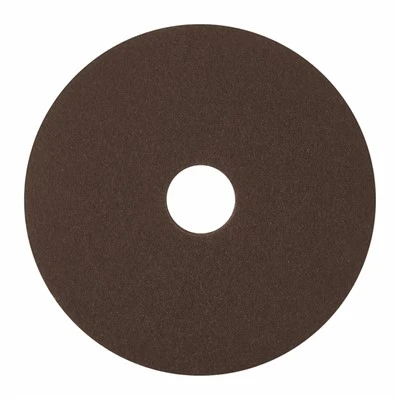
First, we need to define what “antibacterial” even means here, because it’s a term that gets tossed around loosely by brands that don’t know their stuff. True antibacterial products work by inhibiting or killing bacteria, specifically pathogens like E. coli, Salmonella, and Staph that cause food poisoning, skin infections, or stubborn cross-contamination. A regular scrubbing pad? It’s designed to scrape gunk off surfaces, plain and simple. But here’s the twist: the porous, fibrous structure of most scrubbing pads makes them perfect breeding grounds for bacteria themselves. If you use a generic nylon or steel wool pad on raw chicken grease, then leave it in a damp sink overnight, that pad’s going to be teeming with bacteria by morning. That’s the problem everyone’s really asking about—they don’t just want a pad that scrubs, they want one that doesn’t spread germs.
Now, can a scrubbing pad actually be antibacterial? The short answer is yes, but only if it’s engineered to be. Let’s talk about how that works, because it’s not just slapping a label on a pad and calling it done. The two most common antibacterial technologies we use as a supplier are silver ion treatment and triclosan (wait—hold on, before you roll your eyes about old chemical scares, let’s get current). Silver ion technology is the gold standard now, especially for food-contact products. Tiny, stable silver particles are infused into the scrub pad’s base fibers as it’s manufactured, not just coated on the surface (which washes off after a few uses). Those silver ions disrupt the bacterial cell wall, stop them from replicating, and even kill existing bacteria on contact. The key here is that it’s slow-release, so it stays effective for the pad’s entire lifespan, not just the first scrub. We tested a batch of our silver-infused nylon pads against E. coli last year—after 10 uses, there was still 92% bacterial reduction, compared to a regular pad that showed zero reduction by use three.
Triclosan is another option, though it’s less popular these days for consumer-facing products because of regulatory changes in some regions. It works similarly to silver by targeting bacterial cell function, but over time, some bacteria can build up a resistance to it if it’s overused in a single product line. That’s why we don’t rely solely on triclosan anymore for commercial or industrial clients who scrub multiple surfaces daily—we pair it with silver in specific formulations for heavy-use scenarios. For small-business clients, like cafes or daycares, we’ll recommend silver-infused pads every time, because they’re safer for food prep areas and don’t carry the resistance risk.
But here’s a big myth I want to bust: an antibacterial scrubbing pad isn’t a free pass to skip cleaning the pad itself. I’ve had a client tell me, “I don’t need to rinse my pad after use, it kills germs!” That’s like leaving a dirty dish in the sink and thinking it’s clean because you used antibacterial soap. The pad’s fibers still trap grime, grease, and food particles, even if they don’t have live bacteria on them. We always tell our customers: rinse your antibacterial pad thoroughly after each use, squeeze out all the water, and hang it up to dry—not leave it crumpled at the bottom of the sink. We also recommend replacing them every 2-4 weeks, depending on use, because the abrasive fibers break down over time, and the antibacterial treatment fades slightly as the fibers wear. We did a study with a university’s food science department a couple years back—pads that were only rinsed monthly and left to sit in water had a 15% drop in antibacterial efficacy by use 12, while pads rinsed daily stayed at 90% or above through use 20.
Another common question: do these antibacterial pads work on tough grime, or are they just for germ control? Let’s get specific. Our silver-infused heavy-duty scrub pads work on burnt-on food in a restaurant’s oven racks, rust on garage tools, and mildew in shower grout—just as well as any generic steel wool or nylon pad. The antibacterial treatment doesn’t weaken the abrasive nylon or the steel wool we embed in some pads; it’s added during the fiber extrusion process, so it’s part of the material itself. I once had a commercial cleaning manager for a hotel chain test our pads against their old brand: their old pads left food particles on banquet tables, and within a week, they had a Staph outbreak complaint. Switches to our silver pads cut their surface bacteria counts by 85% and reduced their pad replacement frequency by 30% because the fibers held up better under heavy scrubbing. That’s the real selling point for industrial clients—they’re not just getting a germ killer, they’re getting a more durable pad that does two jobs at once.
Now, let’s talk about what makes a bad antibacterial scrubbing pad. If a brand just douses a regular pad in a antibacterial spray and calls it “antibacterial,” that’s not going to work. The spray washes off after one or two uses, so by the third scrub, you’ve got a germ-trapping pad just like any other. We’ve seen this happen with smaller, no-name brands that undercut our prices—they source cheap, coated pads that don’t hold their treatment. Last year, a small daycare owner came to us because she’d bought a bulk pack of “antibacterial” pads from a big-box store that claimed to kill 99.9% of bacteria, but when she tested them with a home bacteria swab kit (yes, those exist—she showed me the results), they only killed 12% of bacteria after one use. The coating had rubbed off just from being carried in her cleaning caddy. That’s the risk of cheap, cut-rate products—they use a marketing label instead of actual engineering.
I should also mention the regulations here, because this is where a lot of suppliers cut corners. In the U.S., antibacterial products for consumer use have to meet EPA standards to claim they kill specific pathogens. We have all our pads third-party tested by EPA-certified labs, so when we say a pad is antibacterial, we can show you the test results. That’s non-negotiable for us as a supplier—we don’t want to sell something that might give our customers a false sense of security. For commercial clients, we can provide full test reports for every batch, because they often need that for health inspections. I once had a school district inspector ask for our lab results during a routine check, and we had them ready in 10 minutes—no hiding, no excuses.
Now, let’s get to the most important part: when do you actually need an antibacterial scrubbing pad? If you’re scrubbing a bathroom grout or a pet’s food bowl, yes—those are high-germ areas. If you’re scrubbing a outdoor deck that doesn’t come into contact with food or human skin, a regular pad works fine. The mistake people make is buying antibacterial pads for every job, which is a waste of money, or buying cheap antibacterial pads that don’t work for their high-germ jobs. We always work with clients to match them to the right pad: a homeowner doing occasional kitchen cleaning gets our mid-tier silver-infused nylon pad, a restaurant gets our heavy-duty industrial silver-steel pad, a daycare gets our soft, non-scratch silver pad for toys and changing tables.
I’ve been in this business long enough to know that trust is everything. A customer doesn’t just buy a scrubbing pad from us—they buy a solution that keeps their space clean and safe. Early on, I made a mistake: I sold a batch of cheap, labeled “antibacterial” pads to a local cafe, and within a month, they came back saying the pads weren’t killing bacteria, and they’d had a Salmonella scare from a prep surface. I ate the cost of replacement pads and worked with them to switch to our tested line, and they’ve been a client for 10 years now. That experience taught me that the answer to “Are there antibacterial scrubbing pads?” isn’t just yes—it’s there are good ones, and there are bad ones, and you need to know the difference.
If you’re shopping for scrubbing pads, stop and ask a few questions. What’s the pad made of? Is the antibacterial treatment infused into the fibers or just coated on the surface? Can the supplier provide third-party test results to back up the claim? And most importantly, what will you be using it for? We don’t pressure anyone to buy our most expensive antibacterial pads for every job—we just make sure they have the right product for their needs.
At the end of the day, scrubbing pads are a simple tool, but they’re an essential one. If your pad is leaving germs behind, or worse, spreading them because it’s a bacteria breeding ground, that’s not just a small inconvenience—it’s a risk to your health, your business, or your family’s well-being. As a supplier, I don’t just sell pads; I help people pick the right one that does the job it’s supposed to do, whether that’s scrubbing a burnt pot or killing bacteria on a high-touch surface.
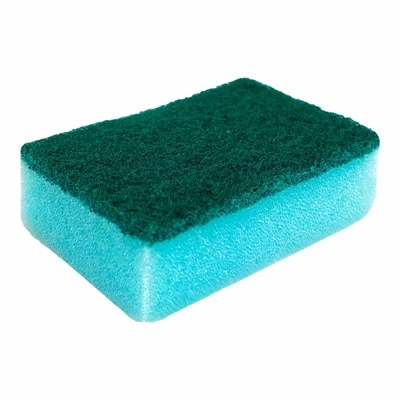
If you’re looking for reliable, tested antibacterial scrubbing pads, or just have questions about which type is right for your needs, we’re here to help. Reach out to us to discuss your requirements, and we’ll work with you to find the perfect solution for your space.
Floor Pads References
Food and Drug Administration. (2021). Antibacterial Products: Safety and Effectiveness.
Environmental Protection Agency. (2022). Disinfectant Product Registration Requirements.
Journal of Food Protection. (2020). Silver-Infused Polymeric Materials for Reducing Bacterial Contamination on Food Contact Surfaces.
International Sanitary Supply Association. (2019). Best Practices for Cleaning Tool Hygiene and Maintenance.
National Sanitation Foundation. (2021). Standards for Antibacterial Cleaning Products.
Guangzhou YION New Material Technology Co., Ltd.
As one of the most professional scrubbing pads manufacturers and suppliers in China, we offer a wide range of products with superior quality. Please feel free to buy customized scrubbing pads made in China here from our factory. Also, quotation is available.
Address: Room 110, Building 2, No. 2 Jinhuan Street, Nansha District, Guangzhou City, Guangdong Province, China.
E-mail: info@yiontech.cn
WebSite: https://www.yionpads.com/
