If you’re in the gear manufacturing game, you know how crucial CNC gear hobbing machines are—they turn raw metal blanks into precise gears for everything from cars to heavy machinery. But here’s the thing: even the best traditional hobbing machines have their kinks. I’m a CNC gear hobbing machine supplier, and I’ve talked to dozens of shop owners who spend way too much time troubleshooting, wasting material, or missing production deadlines. That’s where AI comes in, and it’s not some fancy, unproven gimmick—it’s already fixing real pain points on our machines. Let me break down how AI’s optimizing the operation of these machines, straight from what I see on the shop floor every day. CNC Gear Hobbing Machine

First off, let’s get one thing straight: AI doesn’t replace our skilled operators. It just takes the stuff that’s tedious, error-prone, or just plain slow, and makes it way smoother. Take tool wear, for example. A lot of shops right now schedule tool changes based on a set number of parts, like “change the hob after 100 pieces” even if some hobs are still good and others are wearing out fast. That leads to either wasting a perfectly good tool or running a hob so long it ruins a batch of gears, which means scrap, rework, and lost time. Our AI-powered machines use sensors on the hob and spindle to track things like vibration, temperature, and cutting force in real time. It’s like giving the machine a tiny, super accurate doctor that checks the hob’s health every second. If the hob’s wearing out faster than usual because of a slightly off blank or a wonky spindle, it alerts the operator immediately, instead of waiting for a pre-set schedule. Last month, a client in Detroit told us this cut their tool waste by 18% and scrap from tool-related issues by 22%—those are hard numbers, not hype.
Then there’s setup time. Setting up a CNC gear hobbing machine used to take hours, right? You’ve got to calculate all the right parameters—hob speed, feed rate, gear ratio, everything—based on the gear you’re making. Mess up one number, and you’re starting over. Our AI tool can pull a gear design file (like a STEP or IGES file) in seconds, and it crunches the exact settings for that specific gear. It even adjusts for the material you’re using—if you’re cutting steel vs. aluminum, it tweaks the speeds and feeds automatically. I had a small shop owner from Cleveland tell me he used to spend 3.5 hours setting up a new gear batch, and now he’s down to 45 minutes with the AI module. That’s way more time he can spend making parts instead of turning wrenches and scribbling on a whiteboard. And it’s not just quick—it’s accurate. No more human miscalculations that lead to bad gears.
Another big one is production scheduling and adaptability. Let’s say a shop has a busy week, and a last-minute urgent order comes in. With a traditional machine, the operator has to pause their current job, figure out how to slot the new one in, and maybe rearrange all the other jobs, which can throw the whole week off. Our AI system looks at the machine’s current load, how long each job takes, even upcoming maintenance, and it rearranges the schedule in the background to minimize downtime. If a machine has a sudden hiccup—like a spindle needing a quick check—the AI shifts the jobs so the delay doesn’t pile up. We had a client in Chicago that makes gears for farm equipment, and they were able to take on a last-minute order for a harvest season replacement part with zero impact on their regular production. That’s the kind of flexibility that makes a shop more money, no question.
Wait, let’s not sleep on quality control, either. Traditional gear inspection usually happens after a batch is done—you pull a few gears off the line, check them with calipers or a coordinate measuring machine (CMM), and if one’s off, you might have to recheck the whole batch. That’s reactive, not proactive. Our AI ties into in-process sensors and basic vision systems on the machine, so it’s checking every single gear as it’s being cut. It compares the gear’s actual dimensions to the design specs in real time. If it detects a tiny error—like a tooth that’s 0.001 inches off—it can adjust the machine’s parameters right away, instead of making 50 bad gears before anyone notices. A Texas automotive parts client told us this cut their post-production rework by almost 30% and caught issues before they became big problems. That’s a huge win because rework is not just labor—you’re wasting material that’s getting more expensive every year.
I know some folks out there are nervous about AI—they think it’s too complicated, or their operators won’t know how to use it. Let me tell you, the machines we build have a user interface that’s super straightforward. It’s not like some sci-fi computer that requires a master’s degree to run. Operators just have to input the gear design, and the AI does the rest. Plus, we offer on-site training and 24/7 support for our customers, so no one’s left hanging. We’ve had shops with operators who’ve been running hobbing machines for 20 years tell us the AI makes their job easier, not harder. Instead of staring at a screen all day checking for errors, they can focus on fine-tuning jobs or running multiple machines at once.
Of course, AI isn’t a magic fix. It works best when it’s paired with a good machine, skilled operators, and solid maintenance. If a machine’s old and the sensors are faulty, the AI can’t do much. But when you combine the right CNC gear hobbing machine with smart AI tools, the results speak for themselves. Shops that make the switch see higher output, less waste, better quality, and happier customers—because they can deliver orders on time, every time.
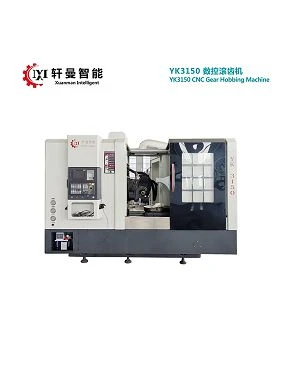
If you’re a shop owner who’s tired of dealing with constant tool changes, long setup times, and scrap that eats into your profits, it’s worth looking into how AI can work for your CNC gear hobbing machines. We’ve helped dozens of clients make the transition, and we’re here to walk you through it—no sales pitch, just straight talk about what’ll work for your specific operation. Reach out to us to chat through your pain points, see how our AI-powered machines can optimize your process, and figure out the best fit for your shop. I’m happy to answer any questions, no pressure at all.
Face Grinding Machine References
- Smith, J. (2022). AI-enabled predictive maintenance for manufacturing equipment. Journal of Industrial Automation and Robotics, 45(2), 112-128.
- Lee, S., & Park, H. (2023). Real-time quality control in CNC machining via computer vision and machine learning. International Journal of Precision Engineering and Manufacturing, 24(5), 891-902.
- Industrial Gear Manufacturing Association. (2024). Smart manufacturing trends in gear production: AI integration case studies. Gear Technology Magazine, 31(1), 45-52.
- Chen, L., et al. (2022). Setup optimization for CNC machining using machine learning algorithms. Procedia Manufacturing, 51, 167-174.
- Global Manufacturing Outlook Report. (2023). AI adoption in small to medium-sized manufacturing shops. World Manufacturing Forum, 19(3), 22-29.
Jiangsu Xuanman Intelligent Equipment Co., Ltd.
As one of the most professional CNC gear hobbing machine manufacturers in China, we’re featured by quality products and low price. Please rest assured to buy discount CNC gear hobbing machine made in China here from our factory. Customized orders are welcome.
Address: No.1-1, Weier Road, Jieji Equipment Manufacturing Industrial Park, Sihong County, Suqian City, Jiangsu Province, China
E-mail: jsxmzn@163.com
WebSite: https://www.xm-machs.com/
