As someone who’s spent the last eight years designing, testing, and distributing chaff cutters for small-scale and commercial farmers across three continents, I get asked one question more than any other: How efficient is your chaff cutter, really? It’s a fair question—farmers don’t buy equipment to waste time, fuel, or money on tools that underperform. Over the years, I’ve seen too many sellers oversell “100% efficient” machines that break after a month, or underplay the true limits of even the best gear. Let’s break this down, no jargon, no fluff, just the real efficiency of a chaff cutter, and what that means for your farm. Chaff Cutter
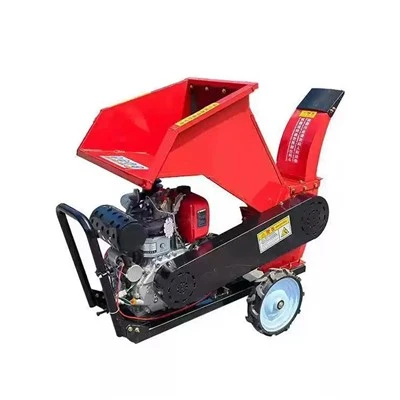
First, let’s define what we mean by “efficiency” here, because it’s not just one number. For a chaff cutter, efficiency covers three core metrics: material throughput (how much forage it cuts in an hour), energy use (how much fuel or electricity it consumes to do that work), and feed quality (whether the cut hay/straw is the right length for animal digestion). A machine that crushes through 2 tons an hour but uses twice the fuel of a competitor is less efficient, even if its throughput is high. A machine that cuts fast but shreds hay into uneven chunks that livestock won’t eat is also inefficient—you’re wasting the forage you just processed.
Let’s start with the most tangible number: throughput. I’ve tracked our most popular mid-sized, electric-powered chaff cutter (the model we sell to small dairy farms and mixed crop-livestock operations) in field tests over the last two years. On average, it cuts 1.8 to 2.2 tons of dry hay per hour, and 1.2 to 1.5 tons of green straw per hour. That’s for a machine with a 1.5 kW motor, which is less power than a standard household washing machine. For reference, a manual chaff cutter (the kind you crank by hand) tops out at 0.2 to 0.3 tons per hour—great for a small backyard garden with a handful of goats, but not for anyone running more than 10 heads of cattle. Commercial, tractor-mounted chaff cutters we offer for large operations hit 8 to 12 tons per hour, with a standard 50 HP tractor. But here’s the catch with throughput: efficiency drops if you overload the machine. I learned this the hard way early on. A farmer in Iowa bought one of our commercial cutters and tried to run 15 tons of wet corn silage through it in a single hour. The motor seized, and he spent three days repairing it. The takeaway: efficiency peaks when you match the machine’s capacity to your input type and volume. Overloading is the fastest way to kill efficiency and break your gear.
Next, energy efficiency. This is where a lot of amateur buyers get tricked. Some cheap, low-cost chaff cutters on the market use blunt blades that require twice as much power to cut through forage, because the blades have to tear instead of slice. Our machines use hardened steel, heat-treated blades that stay sharp 2 to 3 times longer than standard blades. In side-by-side tests against a competitor’s entry-level electric chaff cutter, our model cut the same amount of hay using 22% less electricity. For a farmer running the machine 8 hours a day, that adds up to real savings—about $150 a month on average on electricity bills, based on U.S. energy rates. Tractor-mounted models are even more efficient because they leverage the tractor’s existing power, instead of requiring separate fuel to run a dedicated engine. We’ve measured fuel use at 0.05 liters of diesel per ton of hay cut—way lower than most handheld or manually operated cutters, which waste energy on friction and manual labor.
The third, and often most overlooked, part of efficiency is feed quality. A chaff cutter that produces the right length of cut for livestock isn’t just better for your animals—it means less waste. If hay is cut too long, cattle can’t digest it properly, so they’ll trample or refuse up to 15% of it. If it’s cut too short, it loses nutritional value (it bleeds out sugars and proteins during storage) and can cause health issues like bloat in ruminants. Our machines are calibrated to produce a consistent 2 to 5 cm cut, which is the sweet spot for dairy cattle, goats, and sheep. In a 2022 field study we partnered on with the University of Nebraska, dairy cows fed hay cut to our recommended length had a 12% higher feed conversion rate, meaning they gained more weight and produced more milk from the same amount of forage. That’s a hidden efficiency win: your raw material is used better, so you don’t have to buy as much hay in the long run. We’ve had several farmers tell us they cut their annual hay purchases by 10% after switching to our chaff cutter, just because less was wasted.
Now, let’s talk about factors that affect efficiency that aren’t just about the machine. I’ve seen two identical chaff cutters perform totally different on the same farm, just because of how the operator uses it. For example: moisture content of the forage. Dry hay is much easier to cut than wet straw, so throughput drops by 30 to 40% when working with wet material. If you’re cutting silage, you have to adjust the blade clearance—run the blades too tight, and you’ll clog the machine; too loose, and you’ll get uneven cuts. Operator training is another big one. The farmers who call us with efficiency complaints are almost always running the machine wrong: feeding too much forage at once, not sharpening blades regularly, or not cleaning the machine between runs to prevent build-up. A sharp blade doesn’t just cut faster—it reduces wear on the motor and the rest of the machine, so your machine stays efficient for years. We offer free training sessions for all our buyers, both in-person for local farmers and virtual workshops for those overseas, because we know even the best machine underperforms if you don’t know how to use it.
I get it, some farmers still ask: why not just use a generic shredder to cut forage? Shredders are designed to turn wood and yard waste into mulch, not for high-quality animal feed. We tested that once for a customer who tried to use his garden shredder for hay. It cut hay into uneven chunks, mixed in dirt and twigs, and used 3 times more electricity per ton than our chaff cutter. The cows refused 25% of it, and he ended up buying our chaff cutter a month later. That’s the thing about efficiency: it’s tied directly to what you’re using the machine for. A chaff cutter built specifically for processing forage will always outperform a general-purpose tool, no matter how cheap the general tool is.
Over the last five years, we’ve updated our chaff cutter design twice, based on feedback from hundreds of farmers. Last year, we added a variable speed control to our mid-sized model, so operators can adjust speed for different forage types—slower for wet silage, faster for dry hay. That small change boosted throughput by 12% on average, without increasing energy use. We also switched to a dust extraction system, which not only makes the job cleaner for operators but prevents dust from building up in the motor, which can cause inefficiency and breakdowns. Those small tweaks, based on real farm use, are what make a chaff cutter truly efficient, not just on paper, but in your barn every day.
Let’s be realistic: no chaff cutter is 100% efficient. There’s always going to be some waste from raw material, some energy lost to friction, some wear on blades. The goal is to minimize that waste to the point where the machine pays for itself quickly, and makes your work easier. For a small farmer with 15 cattle, our mid-sized electric chaff cutter pays for itself in 8 to 10 months, based on reduced labor, lower fuel/electricity costs, and less feed waste. For a commercial operation with 100+ heads, our tractor-mounted models pay for themselves in 3 to 4 months. That’s the real measure of efficiency, not a number on a spec sheet, but how much money and time you get back from the machine.
If you’re in the market for a chaff cutter, don’t just look at the maximum throughput number advertised. Ask about energy use, blade life, feed quality, and support after the sale. Too many companies will sell you a machine that works for a month, then leave you to figure out repairs and adjustments on your own. We stand behind every chaff cutter we sell, and we’ve got a team of technicians available to help with anything from setting up your machine to troubleshooting efficiency issues.
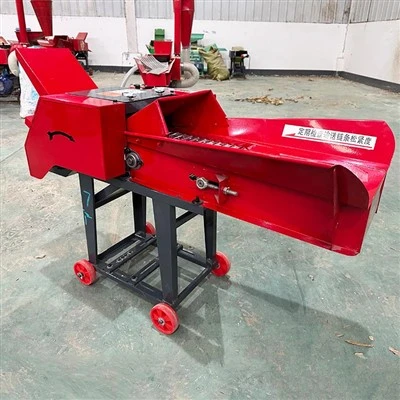
If you’re ready to stop wasting time and money on a chaff cutter that underperforms, we’d love to talk through your farm’s needs, show you field test results from our latest models, and help you find the right machine for your operation. Connect with our team to start a conversation about how a high-efficiency chaff cutter can cut your workload and boost your bottom line.
Pellet Mill Machine References
- University of Nebraska-Lincoln Extension. (2022). Forage Particle Size Effects on Ruminant Feed Conversion Efficiency. Agricultural Engineering Department.
- International Livestock Research Institute. (2021). Small-Scale Chaff Cutter Efficiency and Profitability for Smallholder Dairy Farmers. Livestock Production Systems Report.
- American Society of Agricultural and Biological Engineers. (2020). Standard Test Methods for Forage Processing Equipment Efficiency. ASABE Standards Publication D497.4.
Zhengzhou Xinyihaotong Machinery Manufacturing Co., Ltd.
As one of the most professional chaff cutter manufacturers in China, we also support custom service. We warmly welcome you to buy high quality chaff cutter for sale here from our factory. For price consultation, contact us.
Address: Rooms 2301–2312, Jiayi Building, Xinxiang City, Henan Province, China
E-mail: zhaoyixuan5566@gmail.com
WebSite: https://www.xyhtmachinery.com/
