High-purity alumina (HPA), typically defined as aluminum oxide (Al₂O₃) with a purity of 99.99% (4N) or higher, has emerged as a critical material in various high-tech industries. One of its most significant applications lies in the battery separator industry, a key component in lithium-ion batteries, which power everything from smartphones to electric vehicles. As a high-purity alumina supplier, I am excited to delve into the diverse applications of HPA in this dynamic field and highlight its importance in enhancing battery performance and safety. High-purity Alumina

The Role of Battery Separators in Lithium-Ion Batteries
Before exploring the applications of high-purity alumina, it is essential to understand the role of battery separators in lithium-ion batteries. A battery separator is a porous membrane placed between the positive (cathode) and negative (anode) electrodes of a battery. Its primary functions include preventing direct contact between the electrodes, which could cause a short circuit, and allowing the passage of lithium ions during the charging and discharging processes.
The performance of a battery separator significantly impacts the overall performance, safety, and lifespan of a lithium-ion battery. Key properties of an ideal separator include high ionic conductivity, mechanical strength, thermal stability, and chemical resistance. High-purity alumina has proven to be an excellent material for enhancing these properties, making it a popular choice for battery separator manufacturers.
Applications of High-Purity Alumina in Battery Separators
Coating Material
One of the primary applications of high-purity alumina in the battery separator industry is as a coating material. Coating the separator with a thin layer of HPA can significantly improve its performance and safety.
- Enhanced Thermal Stability: High-purity alumina has excellent thermal stability, with a high melting point of around 2050°C. When applied as a coating on the separator, it forms a heat-resistant barrier that can prevent the separator from shrinking or melting at high temperatures. This is crucial in preventing thermal runaway, a dangerous condition where the battery overheats and can potentially lead to fire or explosion. In electric vehicles, for example, the battery may be exposed to high temperatures during fast charging or under heavy load conditions. A separator coated with high-purity alumina can withstand these high temperatures and maintain its structural integrity, ensuring the safety of the battery.
- Improved Mechanical Strength: The coating of high-purity alumina can also enhance the mechanical strength of the separator. The ceramic particles in the HPA coating reinforce the separator membrane, making it more resistant to punctures and tears. This is particularly important during the battery manufacturing process, where the separator may be subjected to mechanical stresses. A stronger separator can reduce the risk of internal short circuits caused by physical damage, improving the overall reliability and lifespan of the battery.
- Enhanced Wettability: High-purity alumina coatings can improve the wettability of the separator with the electrolyte. The porous structure of the HPA coating allows the electrolyte to penetrate the separator more easily, facilitating the movement of lithium ions between the electrodes. This results in higher ionic conductivity and improved battery performance, including increased charge and discharge rates and better cycle life.
Additive in Separator Production
In addition to being used as a coating material, high-purity alumina can also be used as an additive in the production of battery separators.
- Pore Structure Control: By adding high-purity alumina particles to the separator material during the manufacturing process, the pore structure of the separator can be controlled. The size, shape, and distribution of the pores in the separator play a crucial role in determining its ionic conductivity and mechanical properties. The addition of HPA particles can help create a more uniform and well-defined pore structure, optimizing the separator’s performance.
- Chemical Resistance: High-purity alumina is highly resistant to chemical attack from the electrolyte and other battery components. When incorporated into the separator material, it can enhance the separator’s chemical stability, preventing degradation and ensuring long-term performance. This is particularly important in high-energy-density lithium-ion batteries, where the electrolyte may be more reactive.
Market Trends and Growth Potential
The demand for high-purity alumina in the battery separator industry is expected to grow significantly in the coming years. The increasing adoption of electric vehicles and portable electronic devices, driven by concerns about climate change and the need for clean energy solutions, is fueling the demand for high-performance lithium-ion batteries. As the energy density and safety requirements of these batteries continue to increase, the use of high-purity alumina in battery separators is becoming more widespread.
According to market research reports, the global high-purity alumina market is projected to grow at a compound annual growth rate (CAGR) of over 20% in the next few years. The battery separator industry is expected to be one of the major drivers of this growth, accounting for a significant share of the total HPA demand.
Challenges and Opportunities
While the applications of high-purity alumina in the battery separator industry offer significant opportunities, there are also some challenges that need to be addressed.
- Cost: High-purity alumina is a relatively expensive material compared to traditional separator materials. The high production cost of HPA can limit its widespread adoption in the battery industry, especially in price-sensitive markets. However, as the demand for high-performance batteries increases and production technologies improve, the cost of HPA is expected to decrease over time.
- Production Capacity: The production of high-purity alumina requires specialized manufacturing processes and equipment. Currently, the global production capacity of HPA is limited, which can lead to supply shortages and price fluctuations. To meet the growing demand from the battery separator industry, there is a need for increased investment in HPA production facilities and the development of more efficient production technologies.
Despite these challenges, the future looks bright for high-purity alumina in the battery separator industry. The unique properties of HPA, combined with the increasing demand for high-performance and safe lithium-ion batteries, present significant opportunities for growth and innovation.
Conclusion
As a high-purity alumina supplier, I am witnessing firsthand the growing importance of HPA in the battery separator industry. The applications of high-purity alumina in coating materials and as an additive in separator production have revolutionized the performance and safety of lithium-ion batteries. From enhancing thermal stability and mechanical strength to improving ionic conductivity and chemical resistance, HPA plays a crucial role in meeting the demanding requirements of modern battery technologies.
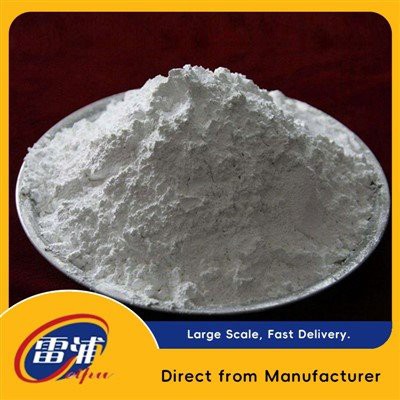
As the global demand for electric vehicles and portable electronic devices continues to soar, the market for high-purity alumina in the battery separator industry is expected to expand rapidly. At the same time, the challenges of cost and production capacity need to be overcome to ensure a stable supply of HPA to meet the growing demand.
Alumina Ceramic If you are involved in the battery separator industry and are looking for a reliable high-purity alumina supplier, I encourage you to reach out to us for a detailed discussion. We are committed to providing high-quality HPA products and excellent customer service to support your business needs. Let’s work together to drive the development of the next generation of high-performance lithium-ion batteries.
References
- "High-Purity Alumina Market – Global Industry Analysis, Size, Share, Growth, Trends, and Forecast, 2021 – 2026," MarketsandMarkets.
- "Lithium-Ion Battery Separator Market – Global Industry Analysis, Size, Share, Growth, Trends, and Forecast, 2021 – 2026," Grand View Research.
- "Advanced Battery Materials: A Review of High-Purity Alumina and Its Applications," Journal of Power Sources.
Shandong Leipu New Material Technology Co., Ltd.
With abundant experience, we are one of the most professional high-purity alumina manufacturers and suppliers in China. Please feel free to buy high quality high-purity alumina for sale here and get quotation from our factory. For price consultation, contact us.
Address: Advanced Ceramic Industry Innovation Park, No. 125, Liuquan Road, High-tech Zone, Zibo City, Shandong Province
E-mail: 2330389088@qq.com
WebSite: https://www.sdleipu.com/
