As a supplier of Anti Oil PVC Decorative Film, ensuring the high – quality of our products is not only a matter of pride but also a crucial aspect of meeting our customers’ needs. In the following blog, I will share some effective ways to test the quality of Anti Oil PVC Decorative Film. Anti Oil PVC Decorative Film
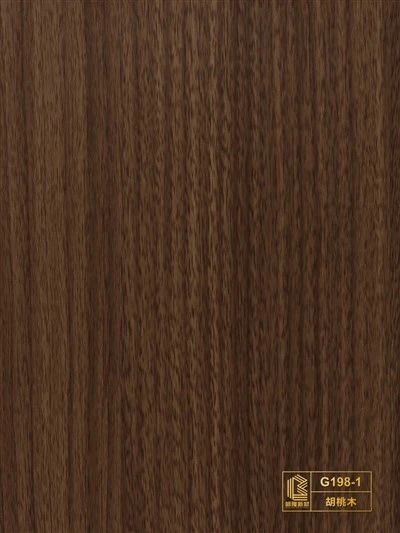
1. Visual Inspection
The first step in testing the quality of Anti Oil PVC Decorative Film is a visual inspection. Hold the film against a well – lit background, preferably natural light. Look for any visible defects such as scratches, bubbles, or uneven color distribution. These irregularities not only affect the aesthetic appeal of the film but may also indicate underlying quality issues.
Scratches can occur during the manufacturing or transportation process. Even minor scratches can compromise the anti – oil property of the film as they provide potential pathways for oil to penetrate. Bubbles trapped between the layers of the film can lead to reduced adhesion and durability. Uneven color might suggest inconsistent pigment mixing during production, which could affect the long – term stability of the film’s appearance.
2. Adhesion Testing
The adhesion of the Anti Oil PVC Decorative Film is of utmost importance. A film that does not adhere properly will easily peel off, rendering it useless in practical applications. One common method to test adhesion is the cross – cut test.
Use a sharp blade to make a series of parallel cuts about 1mm apart on the surface of the film. Then, make another set of cuts perpendicular to the first ones, creating a grid pattern. After that, apply a piece of high – quality adhesive tape firmly over the grid and then quickly pull it off at a 90 – degree angle. Examine the grid area on the film. If more than a few squares of the film come off with the tape, the adhesion is considered poor.
Another way is the peel test. Cut a small strip of the film and carefully peel it back from the substrate at a slow, constant rate. Measure the force required to peel the film. A high – quality Anti Oil PVC Decorative Film should require a reasonable amount of force to peel, indicating a strong bond with the substrate.
3. Anti – Oil Performance Testing
This is, of course, a key aspect when evaluating Anti Oil PVC Decorative Film. There are several ways to measure its anti – oil capabilities.
Real – World Simulation
Select a representative sample of the film and apply a small amount of a common oil, such as cooking oil or machine oil, on its surface. Let the oil sit for a certain period, for example, 24 hours. Then, use a clean cloth to wipe off the oil. Observe how easily the oil is removed and whether there are any oil residues left on the film surface. A high – quality anti – oil film should allow the oil to be wiped off cleanly with little to no residue.
Chemical Resistance Testing
Prepare a series of solutions with different oil concentrations. Immerse small pieces of the film in these solutions for a specific time, say, 48 hours. After that, take out the samples, rinse them with water, and dry them. Check for any changes in the film’s appearance, such as swelling, discoloration, or softening. If the film shows significant changes, it means its chemical resistance to oil is not good.
4. Durability Testing
Abrasion Resistance
The Anti Oil PVC Decorative Film often needs to withstand daily wear and tear. To test its abrasion resistance, you can use an abrasion tester. Subject the film to a specific number of abrasion cycles under a certain pressure using a standard abrasive material. After the test, examine the film’s surface for signs of wear, such as scratches or loss of gloss. A high – quality film should have good abrasion resistance, retaining its appearance and anti – oil properties even after being subjected to repeated abrasion.
UV Resistance
For films that are used in applications exposed to sunlight, UV resistance is crucial. Place samples of the film under a UV lamp for an extended period, simulating long – term sunlight exposure. Monitor the film for any changes in color, such as fading or yellowing, and any degradation in its physical properties. A good Anti Oil PVC Decorative Film should maintain its color and integrity after UV exposure.
5. Thickness and Uniformity Testing
The thickness of the Anti Oil PVC Decorative Film is an important factor that can affect its performance. Use a micrometer to measure the thickness of the film at multiple points. The film should have a relatively consistent thickness across its surface. Significant variations in thickness can lead to uneven adhesion, anti – oil performance, and mechanical properties.
If the film is too thin, it may not provide sufficient protection against oil and may be more prone to damage. On the other hand, an excessively thick film may be difficult to handle and install, and it could also increase the cost without necessarily providing proportionally better performance.
6. Flexibility Testing
In many applications, the Anti Oil PVC Decorative Film needs to be flexible enough to conform to different shapes and surfaces. Bend a sample of the film back and forth several times at a sharp angle. If the film cracks or breaks easily during this process, it indicates poor flexibility.
A flexible film is easier to install and can better adapt to the contours of the substrate. It also reduces the risk of damage during handling and use, ensuring a longer service life.
7. Environmental Factors Testing
Besides oil resistance, the film may be exposed to other environmental factors such as humidity, heat, and cold. To test its performance under these conditions, place samples of the film in different environmental chambers.
For example, in a high – humidity chamber, set the relative humidity to 90% – 95% and the temperature to 30 – 35°C for a week. Check for any signs of delamination, mold growth, or changes in the anti – oil properties. In a low – temperature chamber, expose the film to – 20°C or lower for a certain period. Observe if the film becomes brittle or loses its adhesion.
Conclusion
Testing the quality of Anti Oil PVC Decorative Film requires a comprehensive approach. By conducting visual inspections, adhesion tests, anti – oil performance tests, durability tests, thickness and uniformity tests, flexibility tests, and environmental factors tests, we can ensure that the film meets the highest standards of quality.

As a supplier, we are committed to providing high – quality Anti Oil PVC Decorative Film to our customers. Our strict quality control measures and continuous testing ensure that every roll of film we produce is reliable and effective. Whether you are in the kitchen, workshop, or other environments where oil protection is needed, our Anti Oil PVC Decorative Film is the ideal choice.
3D Wood Grain Film If you are interested in our Anti Oil PVC Decorative Film and want to discuss a potential purchase, please feel free to contact us. We would be more than happy to provide you with detailed product information and negotiate the best deal for you.
References
- ASTM International standards for plastic film testing
- ISO guidelines on the quality evaluation of decorative films
- Research papers on the performance of PVC films in different environments
Zhejiang Biaolong New Materials Co., Ltd.
Zhejiang Biaolong New Materials Co., Ltd. is one of the most experienced anti oil PVC decorative film manufacturers and suppliers in China, also supports customized service. We warmly welcome you to buy high quality anti oil PVC decorative film in stock here from our factory. If you have any enquiry about cooperation, please feel free to email us.
Address: No.2 Helai Road, Lianhua Mountain Industrial Park, Jiangshan City
E-mail: Yuspvc@gmail.com
WebSite: https://www.biaolongpvc.com/
