Hey there, folks! I’m in the aluminum supply game, and today I wanna chat about one of the most crucial aspects of aluminum—workability. What exactly does that mean, and why should you care? Well, stick around, and I’ll break it down for you. Aluminum
Understanding Aluminum’s Workability
First off, let’s get clear on what workability is. In simple terms, workability refers to how easily a material can be shaped, formed, or otherwise manipulated during manufacturing processes. When it comes to aluminum, its workability is one of the things that makes it such a popular choice across a ton of industries.
Aluminum has this amazing ability to be worked in various ways. You can roll it into thin sheets, extrude it into complex shapes, forge it into strong components, and even machine it with precision. This versatility is a huge plus for manufacturers because it means they can use aluminum to create all sorts of products, from simple household items to high – tech aerospace parts.
One of the reasons aluminum is so workable is its relatively low melting point. Compared to other metals like steel, aluminum melts at a much lower temperature, which makes it easier to cast into different shapes. You don’t need to crank up the heat as much, and that can save a lot of energy and time during the manufacturing process.
Different Working Processes and Aluminum
Let’s take a closer look at some of the common working processes and how aluminum performs in each of them.
Rolling
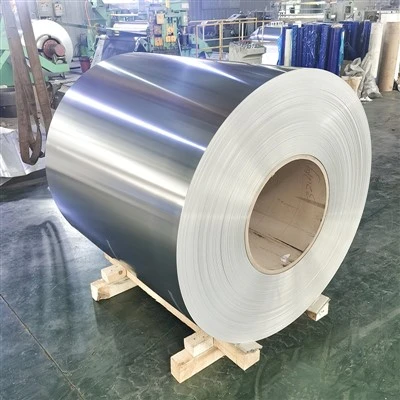
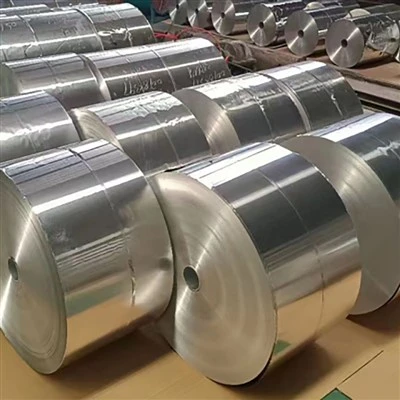
Rolling is a process where aluminum is passed between two or more rollers to reduce its thickness or change its shape. Aluminum is great for rolling because it can be easily deformed without cracking. You can roll it into thin foils that are used in packaging, like the ones you see for snacks or in the kitchen for covering food. Or, you can roll it into thicker sheets for things like automotive body panels or building facades.
The ability to control the thickness and surface finish during rolling is also a big advantage. You can get a smooth, uniform surface that looks great and is ready to be used in the final product. And because aluminum is corrosion – resistant, these rolled products can last a long time without rusting or deteriorating.
Extrusion
Extrusion is another super – useful process for aluminum. In extrusion, a block of aluminum is forced through a die to create a specific cross – sectional shape. This is how you get those long, thin aluminum profiles that are used in window frames, door frames, and even in the construction of furniture.
The beauty of aluminum extrusion is that you can create really complex shapes with relative ease. The metal flows smoothly through the die, and you can achieve tight tolerances. This means that the extruded parts fit together perfectly, whether you’re building a small DIY project or a large – scale industrial structure.
Forging
Forging involves shaping aluminum by applying compressive forces, usually with a hammer or a press. This process can make the aluminum stronger and more durable. Forged aluminum parts are often used in high – stress applications, like in the automotive and aerospace industries.
Aluminum forgings can withstand a lot of pressure and impact. They have a fine – grained structure that gives them excellent mechanical properties. And because aluminum is lightweight, forged aluminum parts can help reduce the overall weight of a vehicle or an aircraft, which in turn can improve fuel efficiency.
Machining
When it comes to machining, aluminum is a dream. It can be easily cut, drilled, milled, and turned. You can achieve high precision and a good surface finish when machining aluminum. This is important for making parts that need to fit together precisely, like in machinery or electronics.
The chips produced during machining are also relatively small and easy to manage, which is a plus in a manufacturing environment. And because aluminum doesn’t require a lot of cutting force, it can save on tool wear and tear, reducing production costs.
Factors Affecting Aluminum Workability
Of course, not all aluminum is created equal when it comes to workability. There are a few factors that can affect how easily aluminum can be worked.
Alloy Composition
The type of alloy you’re working with makes a big difference. Different alloys have different properties, and some are more workable than others. For example, 6061 aluminum alloy is one of the most commonly used alloys because it has a good combination of strength and workability. It can be easily extruded, welded, and machined.
On the other hand, some high – strength alloys, while great for applications that require a lot of strength, can be a bit more difficult to work with. They may require special techniques or equipment to shape and form them.
Temperature
Temperature plays a crucial role in aluminum workability. As I mentioned earlier, aluminum has a relatively low melting point, but the temperature during processing still needs to be carefully controlled. Working at too low a temperature can make the aluminum more brittle and prone to cracking, while working at too high a temperature can cause the metal to lose its strength and shape.
For example, in hot forging, the temperature needs to be just right to get the best results. The aluminum needs to be heated to a temperature where it’s soft enough to be shaped but not so hot that it becomes too weak or starts to oxidize.
Grain Structure
The grain structure of the aluminum also affects its workability. A fine – grained structure generally makes the aluminum more ductile and easier to work with. You can manipulate the grain structure through processes like heat treatment, which can improve the aluminum’s performance during various working processes.
Benefits of Aluminum’s Workability
So, why is all this workability stuff such a big deal? Well, there are several benefits that come with using aluminum because of its workability.
Cost – Effectiveness
Because aluminum is so easy to work with, it can be more cost – effective to manufacture products compared to other metals. You can use less energy during processing, and the tools and equipment don’t wear out as quickly. This means lower production costs, which can be passed on to the consumer.
Design Flexibility
The ability to shape aluminum into various forms gives designers a lot of freedom. They can come up with innovative and complex designs that are both functional and aesthetically pleasing. Whether it’s a unique architectural feature or a cutting – edge consumer product, aluminum can make it happen.
Lightweight and Durable Products
Aluminum’s workability allows for the creation of lightweight yet durable products. This is especially important in industries like automotive and aerospace, where reducing weight can lead to significant improvements in performance and fuel efficiency. And because aluminum is corrosion – resistant, these products can last a long time, even in harsh environments.
Conclusion and Call to Action
In conclusion, aluminum’s workability is one of its most valuable properties. It offers a wide range of manufacturing possibilities, from simple rolling to complex forging and machining. Whether you’re in the construction, automotive, aerospace, or any other industry, aluminum can be a great choice for your products.
Aluminum Sheet/Plate If you’re looking for a reliable aluminum supplier for your next project, I’d love to talk to you. I’ve got a wide range of aluminum products and alloys, and I can help you find the right one for your specific needs. Whether you need sheets, extrusions, or forged parts, I’ve got you covered. So, don’t hesitate to reach out and start a conversation about your procurement requirements. Let’s work together to make your next big project a success!
References
- "Aluminum: Properties and Physical Metallurgy" by John E. Hatch
- "Manufacturing Processes for Engineering Materials" by Serope Kalpakjian and Steven R. Schmid
Wuxi Jin Ming Jian De Industry & Trade Co., Ltd.
Wuxi Jin Ming Jian De Industry & Trade Co., Ltd. is one of the most professional aluminum manufacturers and suppliers in China, also supports customized service. With abundant experience, we warmly welcome you to wholesale CE approved aluminum in stock here from our factory. If you have any enquiry about quotation, please feel free to email us.
Address: 2102-2105, Yuexing Building, Guangnan Road, Liangxi District, Wuxi City, Jiangsu Province, China.
E-mail: info@wxjmjdss.com
WebSite: https://www.jmjdsteelexp.com/
