Hey there! I’m a provider in the medical die-cutting industry, and I’ve seen firsthand how crucial die wear is for our operations. In medical die cutting, we make all sorts of essential stuff, like gaskets, seals, and other precise parts. So, the wear of our dies really matters, as it affects both the quality of our products and our overall efficiency. Today, I’m gonna share the key factors that impact the wear of medical die-cutting dies. Medical Die Cutting

Material Properties of the Die
Hardness
The hardness of the die material is a big deal. When we’re using a die to cut through various materials, it’s gonna face a lot of pressure and friction. If the die isn’t hard enough, it’ll start to wear down quickly. For example, if we’re cutting through thick medical-grade plastics, a die with low hardness won’t be able to hold up. The constant cutting force will cause the edges of the die to get dull, and we’ll end up with less precise cuts. On the other hand, a die made from a super-hard material, like tungsten carbide, can withstand a lot more wear. It can cut through tough materials without losing its sharpness as fast, which means we can get more consistent and accurate cuts over a longer period.
Toughness
But hardness isn’t the only thing. Toughness is also super important. A die might be really hard, but if it’s not tough enough, it can crack or break easily. In medical die cutting, we often have to cut through different layers of materials or deal with materials that have inconsistent densities. These conditions can create uneven stress on the die. A brittle die with low toughness won’t be able to handle these stress variations. It might crack during the cutting process, which is a huge problem. We need a die that’s tough enough to absorb the shocks and vibrations that come with cutting, so it stays intact and can keep working effectively.
Wear Resistance
Then there’s wear resistance. This is all about how well the die can resist the abrasive forces it faces during cutting. Some medical materials, like certain fabrics or composites, have rough surfaces that can rub against the die and cause wear. A die with good wear resistance can stand up to this abrasion. It has a surface that can withstand the constant rubbing without getting too scratched or pitted. This not only helps the die last longer but also ensures that the cuts we make are clean and smooth. If the die wears down too much, the quality of our medical products can suffer, and we might end up with parts that don’t meet the required standards.
Material Being Cut
Hardness of the Material
The hardness of the material we’re cutting also plays a major role in die wear. If we’re cutting through a soft material, like a foam pad, the die won’t experience as much wear as it would when cutting a hard material, like a rigid plastic sheet. Hard materials require more force to cut through, and this extra force puts more stress on the die. The cutting edge has to work harder to penetrate the material, which can cause it to wear more quickly. For instance, when we cut hard medical-grade acrylic, the die has to overcome a lot of resistance, and the edges can start to dull faster compared to when we cut a softer silicone rubber.
Abrasiveness
Another factor is the abrasiveness of the material. Some medical materials, like fiberglass or certain types of sandpaper – like composites, are very abrasive. When the die comes into contact with these materials, the abrasive particles can scratch and wear away the surface of the die. This is especially true if the die is made from a relatively soft material or if it has a low wear – resistant coating. Over time, these abrasions can build up and cause the die to lose its accuracy and cutting efficiency.
Material Thickness
The thickness of the material we’re cutting is also significant. Cutting through a thick material requires more force and more passes of the die. This increases the amount of friction and wear on the die. For example, if we’re die – cutting a thick stack of medical gauze, the die has to work harder to cut through all the layers. The repeated contact with the material causes more wear on the cutting edges compared to when we’re cutting a single, thin layer of the same material.
Cutting Conditions
Cutting Speed
Cutting speed is a key factor. When we cut at a high speed, the die experiences more heat and friction. Too much heat can actually change the properties of the die material. It can make the die softer, which in turn increases wear. For example, if we’re using a high – speed die – cutting machine to cut multiple layers of medical tape quickly, the friction between the die and the tape can generate a lot of heat. This heat can cause the die to lose its hardness and start wearing out faster. On the other hand, if we cut at a slower speed, the heat generated is less, and the die can last longer. But we also have to balance this with production efficiency.
Cutting Force
The amount of cutting force we apply is also important. If we use too much force, it can put excessive stress on the die. This can lead to premature wear, cracking, or even breakage of the die. For instance, when cutting a tough medical plastic, if we set the cutting force too high on the die – cutting machine, the die might not be able to handle the pressure. The edges can get chipped, and the overall shape of the die can be distorted. We need to find the right balance of cutting force to ensure that the die can cut through the material effectively without getting damaged.
Lubrication
Lubrication is often overlooked but is crucial for reducing die wear. When we use a lubricant during the cutting process, it helps to reduce friction between the die and the material being cut. This not only reduces heat generation but also makes the cutting process smoother. For medical die cutting, we use special lubricants that are safe for medical applications. These lubricants can form a protective layer between the die and the material, preventing direct contact and reducing wear. Without proper lubrication, the die can wear out much faster, and the quality of our cuts can be affected.
Maintenance and Handling
Cleaning
Regular cleaning is essential for keeping our dies in good condition. After each cutting operation, there can be debris, dust, and residue from the material on the die. If we don’t clean it properly, this buildup can cause abrasion and wear on the die surface. For example, if there’s a lot of plastic residue on the die after cutting a plastic sheet, and we don’t clean it off, the next time we use the die, the residue can act like an abrasive and scratch the die. We use special cleaning agents and tools to make sure the die is clean and free of any debris.
Sharpening
Sharpening the die at the right time is also important. As the die wears down, its cutting edges become dull. A dull die requires more force to cut through the material, which increases wear even more. By sharpening the die regularly, we can keep its cutting edges sharp and reduce the amount of force needed for cutting. This helps to extend the life of the die. However, we have to be careful not to over – sharpen the die, as this can also damage it.
Proper Storage
How we store the dies when they’re not in use also matters. If we store them in a damp or dirty environment, they can rust or get damaged. We need to keep the dies in a clean, dry place, preferably in a storage case or rack that protects them from physical damage. This ensures that when we need to use the dies again, they’re in good condition and ready to go.
So, as you can see, there are many factors that affect the wear of medical die – cutting dies. Understanding these factors is crucial for us in the medical die – cutting business. We need to choose the right die materials, consider the properties of the materials we’re cutting, optimize our cutting conditions, and take good care of our dies through proper maintenance and handling.
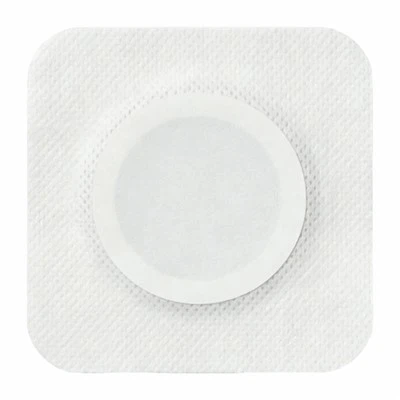
Medical Dressings If you’re in the market for medical die – cutting services or products and want to learn more about how we manage die wear to ensure high – quality results, don’t hesitate to reach out. We’d be more than happy to have a chat and discuss how we can meet your needs.
References
- "Handbook of Die – Cutting Technology"
- "Materials Science and Engineering for Medical Applications"
- "Advanced Manufacturing Processes in the Medical Industry"
Shenzhen Omori Biological Technology Co., Ltd.
We’re well-known as one of the leading medical die cutting manufacturers and suppliers in China. We warmly welcome you to wholesale high quality medical die cutting made in China here from our factory. If you have any enquiry about customized service, please feel free to email us.
Address: Floor4, No43, Langkou Industrial park, Dalang Street, Longhua District, Shenzhen City, Guangdong Province, China
E-mail: wya@omorimed.com
WebSite: https://www.omorimed.com/
