As a supplier of piping connectors, I’ve encountered numerous customers facing the common issue of leaking piping connectors. It’s a problem that can disrupt operations, cause water damage, and lead to unnecessary expenses. In this blog post, I’ll share some practical steps on how to fix a leaking piping connector, drawing from my years of experience in the industry. Piping Connectors
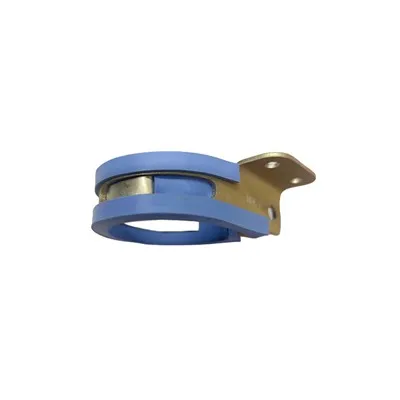
Understanding the Causes of Leaking Piping Connectors
Before we dive into the solutions, it’s crucial to understand what causes a piping connector to leak. There are several factors that can contribute to this issue:
1. Improper Installation
One of the most common causes of leaking connectors is improper installation. If the connector is not tightened correctly, it can leave gaps that allow water or other fluids to seep through. Additionally, using the wrong type of connector for the specific application or not following the manufacturer’s installation instructions can also lead to leaks.
2. Wear and Tear
Over time, piping connectors are exposed to various environmental factors, such as temperature changes, pressure fluctuations, and chemical exposure. These factors can cause the connector materials to degrade, leading to cracks or corrosion. As a result, the seal between the connector and the pipe can be compromised, causing leaks.
3. Incorrect Sizing
Using a connector that is not the right size for the pipe can also lead to leaks. If the connector is too large, it may not create a tight seal, while a connector that is too small can cause excessive stress on the pipe, leading to damage.
Step-by-Step Guide to Fixing a Leaking Piping Connector
Step 1: Shut Off the Water Supply
The first and most important step in fixing a leaking piping connector is to shut off the water supply. This will prevent further water from flowing through the system and causing additional damage. Locate the main water shut-off valve for your property and turn it off. If you’re dealing with a specific fixture, such as a faucet or a toilet, you may also be able to shut off the water supply to that fixture using a shut-off valve located near it.
Step 2: Drain the Pipes
After shutting off the water supply, open the faucets or valves connected to the leaking connector to drain the water from the pipes. This will reduce the pressure in the system and make it easier to work on the connector.
Step 3: Inspect the Connector
Once the pipes are drained, carefully inspect the leaking connector. Look for signs of damage, such as cracks, corrosion, or worn-out seals. Pay close attention to the areas where the connector meets the pipe, as this is where leaks often occur.
Step 4: Tighten the Connector
If the connector is loose, you may be able to fix the leak by simply tightening it. Use an appropriate wrench or pliers to gently tighten the connector. Be careful not to over-tighten, as this can cause the connector or the pipe to crack. If the connector has a threaded connection, you can also apply some pipe thread sealant to the threads before tightening to create a better seal.
Step 5: Replace the Seals
If the seals on the connector are worn out or damaged, they will need to be replaced. Most piping connectors use rubber or silicone seals to create a watertight connection. To replace the seals, carefully remove the old seals from the connector using a small screwdriver or a seal removal tool. Clean the seal grooves on the connector to remove any debris or old sealant. Then, install the new seals in the grooves, making sure they are properly seated.
Step 6: Replace the Connector
If the connector is severely damaged or corroded, it may need to be replaced. To replace the connector, use a pipe cutter or a hacksaw to cut the pipe on either side of the connector. Make sure to cut the pipe straight and clean the ends of the pipe to remove any burrs or debris. Then, install a new connector of the same size and type, following the manufacturer’s installation instructions.
Step 7: Test the Repair
Once you have completed the repair, turn on the water supply and check for leaks. Open the faucets or valves connected to the repaired connector to allow water to flow through the system. Inspect the connector and the surrounding area for any signs of leakage. If you notice any leaks, repeat the repair process or seek professional assistance.
Preventive Measures
While fixing a leaking piping connector is important, it’s also essential to take preventive measures to avoid future leaks. Here are some tips to help you keep your piping connectors in good condition:
1. Use High-Quality Connectors
Invest in high-quality piping connectors that are made from durable materials and are designed to withstand the specific conditions of your application. Cheaper connectors may be more prone to leaks and damage, so it’s worth spending a little extra to ensure the reliability of your plumbing system.
2. Follow the Manufacturer’s Installation Instructions
Always follow the manufacturer’s installation instructions when installing piping connectors. This includes using the correct tools, applying the right amount of torque, and using the appropriate sealants. Improper installation can lead to leaks and other problems down the line.
3. Conduct Regular Inspections
Regularly inspect your piping connectors for signs of wear and tear, such as cracks, corrosion, or loose connections. Catching these issues early can help you prevent leaks and avoid more extensive repairs.
4. Protect the Connectors
If your piping connectors are exposed to harsh environmental conditions, such as extreme temperatures or chemicals, consider protecting them with insulation or protective coatings. This can help extend the lifespan of the connectors and reduce the risk of leaks.
Conclusion
Fixing a leaking piping connector can be a relatively simple task if you know what you’re doing. By following the steps outlined in this blog post and taking preventive measures, you can keep your plumbing system in good working condition and avoid costly repairs.
Mechanical Processing Components If you’re in the market for high-quality piping connectors or need more information on how to maintain your plumbing system, I encourage you to reach out to me. I’m always happy to share my expertise and help you find the right solutions for your needs.
References
- "Plumbing Handbook" by John Doe
- "Piping Connector Installation Guide" by ABC Company
Jiangxi Zhiyi Machinery Manufacturing Co., Ltd.
As one of the most professional piping connectors manufacturers and suppliers in China, we also support customized service. Please rest assured to wholesale bulk piping connectors in stock here from our factory. If you have any enquiry about quotation, please feel free to email us.
Address: Jiahai Industrial Park, No. 2799 Tianxiang Avenue, High-tech Zone, Nanchang City, Jiangxi Province.
E-mail: zgjxzy@163.com
WebSite: https://www.chinazhiyi.com/
